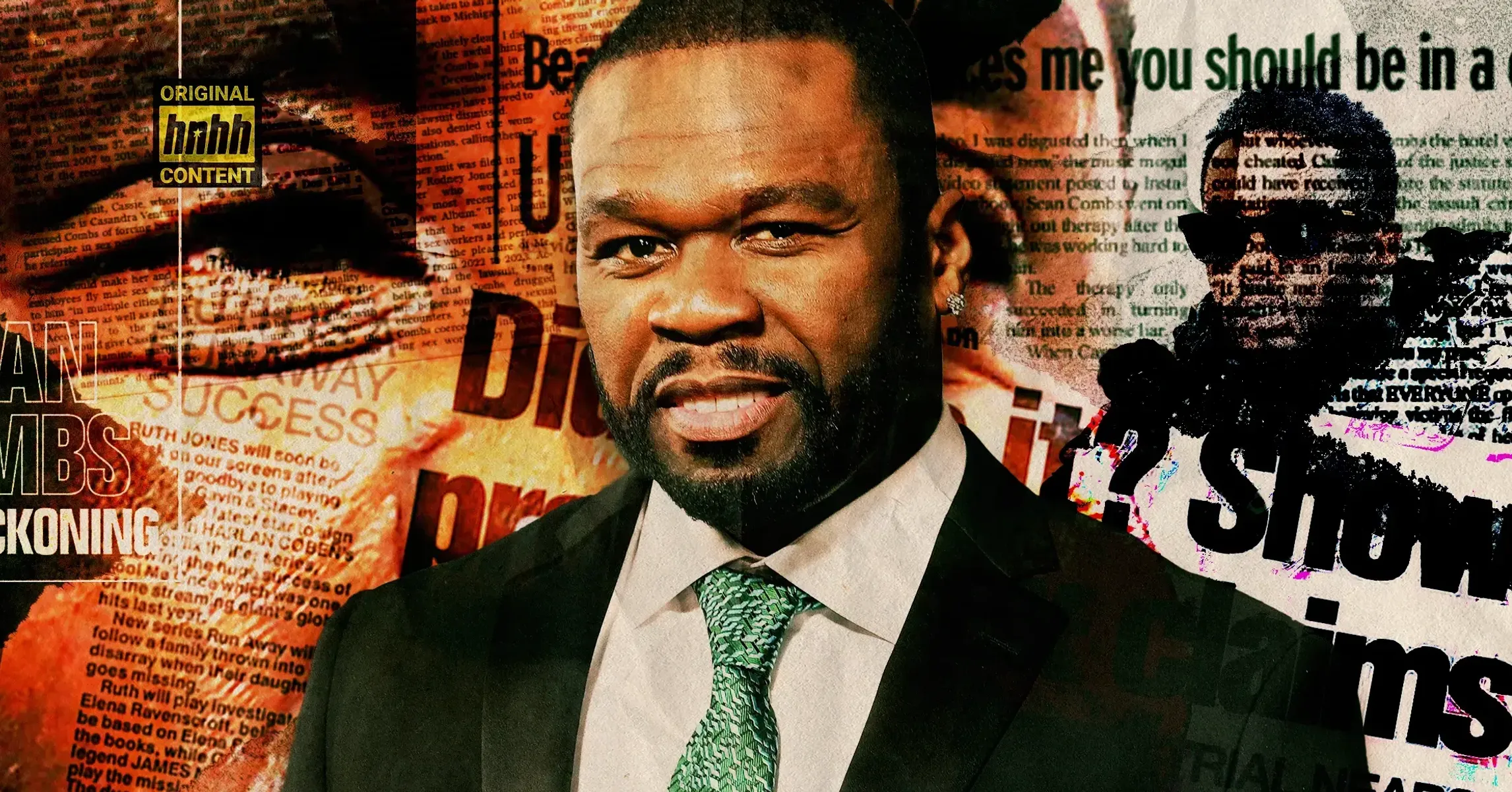
The recent release of the documentary *The Reckoning* has reignited scrutiny of both Sean “Diddy” Combs and Curtis “50 Cent” Jackson, as allegations of past abuses resurface. Jackson, who served as executive producer for the film, sought to expose the alleged misconduct of Combs while his own history of accusations came back into focus. The documentary aims to shed light on the darker aspects of Combs’s career, but it simultaneously raises questions about Jackson’s role and his own troubled past.
The documentary highlights a critical narrative: the silence that has historically protected powerful figures in the music industry. Jackson positioned himself as a challenger to that status quo, yet his own record includes serious allegations ranging from physical assault to domestic violence. These resurfacing claims complicate his public stance as a moral authority in the ongoing conversation about abuse and accountability.
In March 2024, Daphne Joy, a model and actress who previously dated Jackson, made headlines when she publicly accused him of rape and long-term physical abuse. Joy’s accusations emerged during heightened scrutiny surrounding Combs, particularly after references to her as one of Combs’s “sex workers” surfaced. She took to social media to express her grievances, stating, “Let’s put the real focus on your true evil actions of raping me and physically abusing me.” In response, Jackson filed a defamation lawsuit, claiming her statements were false and malicious. Ultimately, Jackson dismissed the lawsuit by September of that year.
Shortly after, a new lawsuit emerged in Los Angeles County. Guadalupe de los Santos accused Jackson of assault and negligence, claiming that Jackson’s SUV collided with him when a passenger door was opened without warning. This incident allegedly occurred in September 2024, and just days before *The Reckoning* debuted, the case was settled, with both parties reaching an agreement.
In a further twist, Jahaira Rodriguez filed a lawsuit in 2025, accusing Jackson of physical assault and emotional abuse. The alleged incidents took place prior to Jackson’s Chapter 11 bankruptcy filing in 2015. Although Jackson’s debts were discharged in 2017, a judge later reopened his bankruptcy case, allowing information related to Rodriguez’s claims to surface after being sealed due to potential reputational harm to Jackson.
The documentary *The Reckoning* may have been centered on Diddy, but it has inadvertently opened the door to discussions about Jackson’s own past. His involvement in the project, while highlighting another’s alleged abuses, has prompted many to reflect on the contradictions inherent in his actions. By aligning himself with the narrative of accountability, Jackson invites scrutiny of his own history, which includes numerous court filings and settled claims.
As the conversation surrounding the documentary gains momentum, it prompts a reevaluation of the moral landscape. Jackson’s public denunciation of Combs’s alleged actions contrasts sharply with his own unresolved controversies. The question remains: can one truly hold others accountable while facing significant allegations themselves?
The revelations surrounding *The Reckoning* and the resurfacing of Jackson’s past serve as a reminder of the complexities of public figures navigating their legacies. While the documentary aims to address systemic issues in the industry, it also underscores the necessity for all parties involved to confront their own histories, ensuring that accountability is not selective but universal.