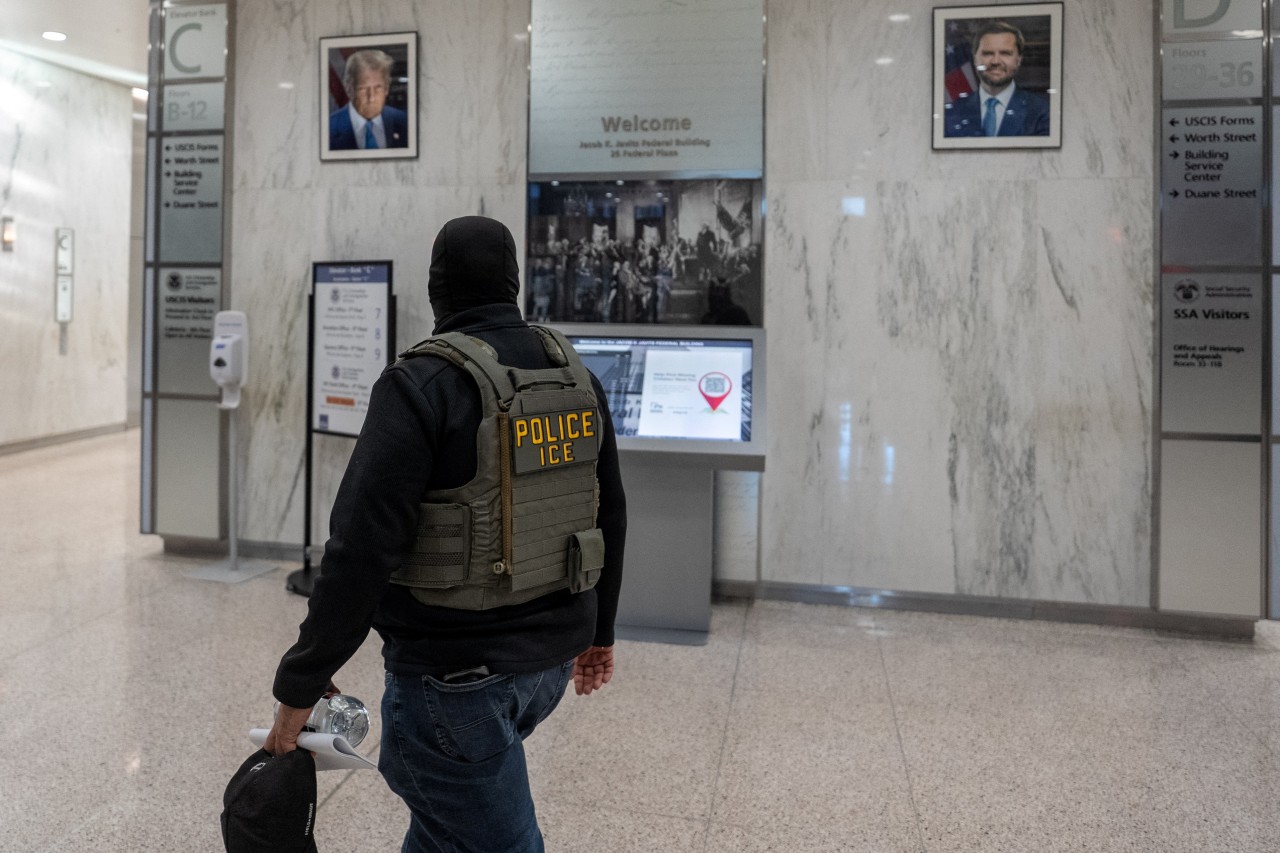
Heng Guan, a Chinese national who documented the treatment of Uyghurs in detention camps, is currently in the custody of U.S. Immigration and Customs Enforcement (ICE). His immigration hearing is scheduled for Monday, March 18, 2024, and it could determine whether he will face deportation back to China, according to his attorney and an activist organization based in New York.
Guan has been vocal about the human rights violations occurring in the Xinjiang region, where reports indicate that over a million Uyghurs and other Muslim minorities are being held in re-education camps. His efforts to shed light on these issues have drawn international attention, but they have also placed him at significant risk, especially regarding his immigration status in the United States.
The hearing presents a critical juncture for Guan, who fled China due to fears of persecution. His lawyer, representing him pro bono, emphasized the potential consequences of his return. “If deported, Heng would likely face imprisonment or worse,” she stated. The activist group supporting him has called for immediate action from U.S. authorities to ensure his safety.
Public sentiment surrounding Guan’s case has been intense, with human rights advocates urging the U.S. government to consider the implications of returning him to a country where he could be persecuted for his activism. The situation has sparked a broader conversation about the U.S. immigration system and its handling of individuals who speak out against oppressive regimes.
As Guan awaits the hearing, he remains hopeful for a favorable outcome. His case highlights the precarious status of many activists who find refuge in the U.S. but face the threat of deportation. The outcome of this hearing could not only shape Guan’s future but also set a precedent for similar cases involving activists from authoritarian countries.
The hearing will take place at an immigration court in New York. Observers are expected to gather, reflecting the growing concern among human rights organizations regarding the treatment of activists and whistleblowers. Advocates argue that the U.S. has a moral obligation to protect individuals like Guan who risk their lives to expose human rights abuses.
In the lead-up to the hearing, Guan’s supporters have mobilized, urging followers on social media to raise awareness about his situation. They stress that his deportation could have devastating consequences, both for him personally and for those who continue to fight for human rights in China.
This case serves as a reminder of the complexities surrounding immigration, human rights, and the responsibility of nations to safeguard those who stand against injustice. As the world watches, the decision made on March 18 could resonate far beyond the courtroom, impacting the lives of countless others who seek refuge from persecution.