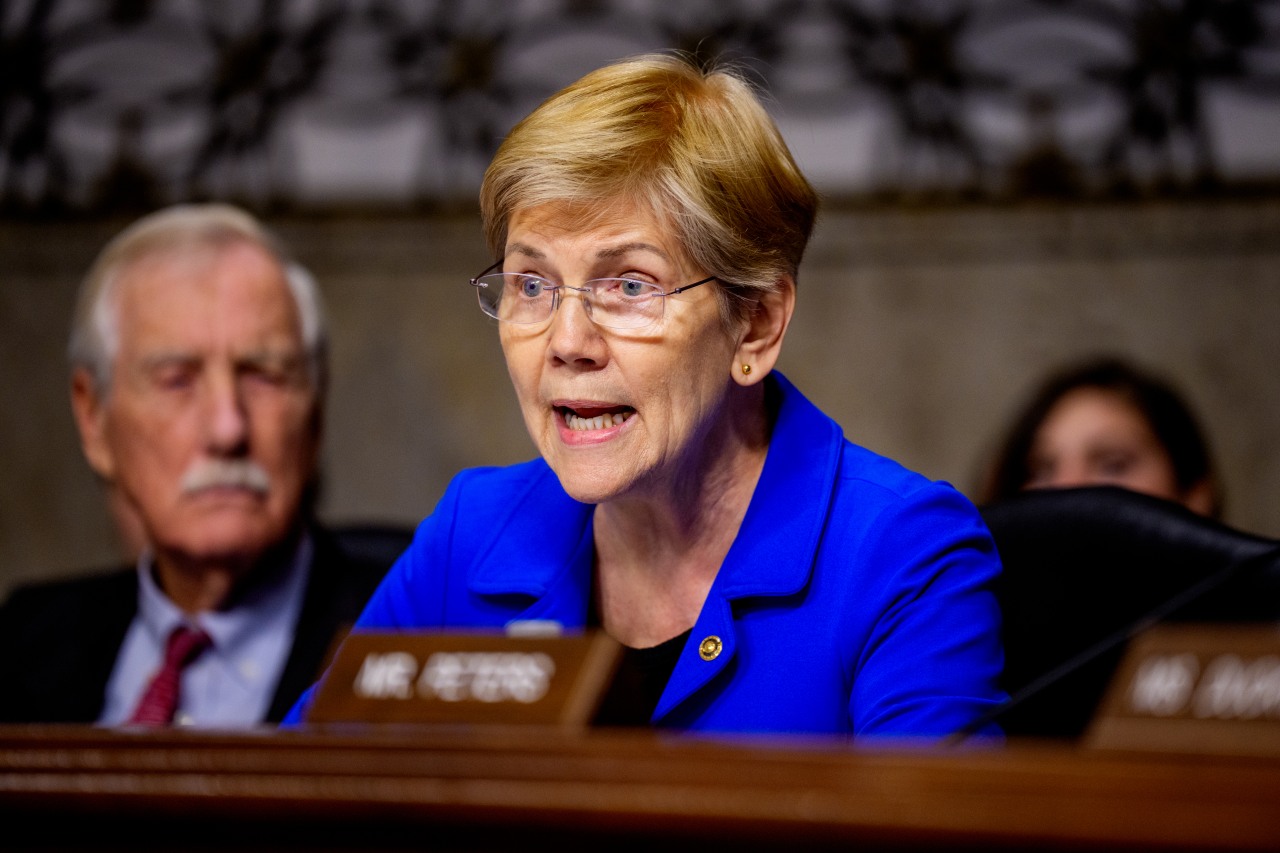
Senate Democrats have expressed strong opposition to former President Donald Trump‘s recent approval of sales for Nvidia’s H200 processors to China. Lawmakers, including Senator Elizabeth Warren and Senate Majority Leader Chuck Schumer, argue that this decision undermines previous efforts by the United States to contain China’s technological advancements.
The approval, which occurred in September 2023, allows Nvidia to continue selling its advanced AI chips to Chinese companies, a move that has raised significant concerns about national security and global competitiveness. In a statement, Senator Warren emphasized that enabling these sales contradicts the United States’ goal of limiting China’s access to critical technology.
Many lawmakers highlight that the H200 processors are essential for developing artificial intelligence capabilities, which could bolster China’s military and economic power. This situation has prompted a renewed debate over the balance between international trade and national security interests.
Concerns Over National Security
Senators have voiced apprehensions that unrestricted sales of these chips could lead to an increase in Chinese technological capabilities, posing a threat to U.S. interests. Senator Schumer noted that allowing these sales could potentially “empower adversaries” and weaken the United States’ strategic position. He called for a thorough review of the implications this decision might have on both national and global security.
The Biden administration has been cautious regarding technology transfers to China, particularly in sectors related to artificial intelligence and military applications. The approval of the H200 processors is seen by many as a step backward in these containment efforts. Lawmakers are now urging the administration to reconsider its stance and impose stricter regulations on technology exports.
Potential Economic Implications
The economic ramifications of this decision cannot be understated. Nvidia has reported significant revenues from its AI chip sales, with the H200 processors being a major contributor. Analysts estimate that the company could generate upwards of $1 billion in revenue from these sales over the next fiscal year if the current approval remains in place.
Critics within the Senate argue that this not only jeopardizes U.S. security but also undermines the competitive edge of American technology firms. Without stringent export controls, they warn, the United States risks losing its leadership position in the global tech industry.
As discussions continue, the implications of Trump’s approval are likely to remain a focal point in the political landscape, with potential calls for legislative action to reassess and possibly restrict technology exports to China. The outcome of this debate may shape future U.S.-China relations and define the trajectory of technology policy for years to come.