The Indiana Republican Party recently expressed its disapproval of former President Donald Trump, a move that could lead to a temporary pause in ongoing redistricting disputes. This decision emerges as the party navigates internal divisions and prepares for the critical 2024 elections.
The tension within the Indiana GOP reflects broader national dynamics as party members grapple with the implications of their allegiance to Trump. The party’s recent statement highlights a need to focus on unifying strategies rather than contentious redistricting battles. While the immediate aftermath suggests a cooling of hostilities, many analysts caution that the redistricting wars are not definitively over.
Implications of the GOP’s Stance on Redistricting
The Indiana GOP’s critique of Trump is significant, especially considering his enduring influence within the party. This internal conflict raises questions about the party’s strategy moving forward, particularly regarding the redistricting process that directly affects electoral outcomes.
According to political experts, the party’s decision to rebuke Trump may allow for more collaborative efforts in the state legislature. The redistricting process, which involves drawing new boundaries for electoral districts, can be highly contentious and often leads to legal battles. The Republican National Committee is closely monitoring these developments, as the outcomes in Indiana could set precedents for other states grappling with similar issues.
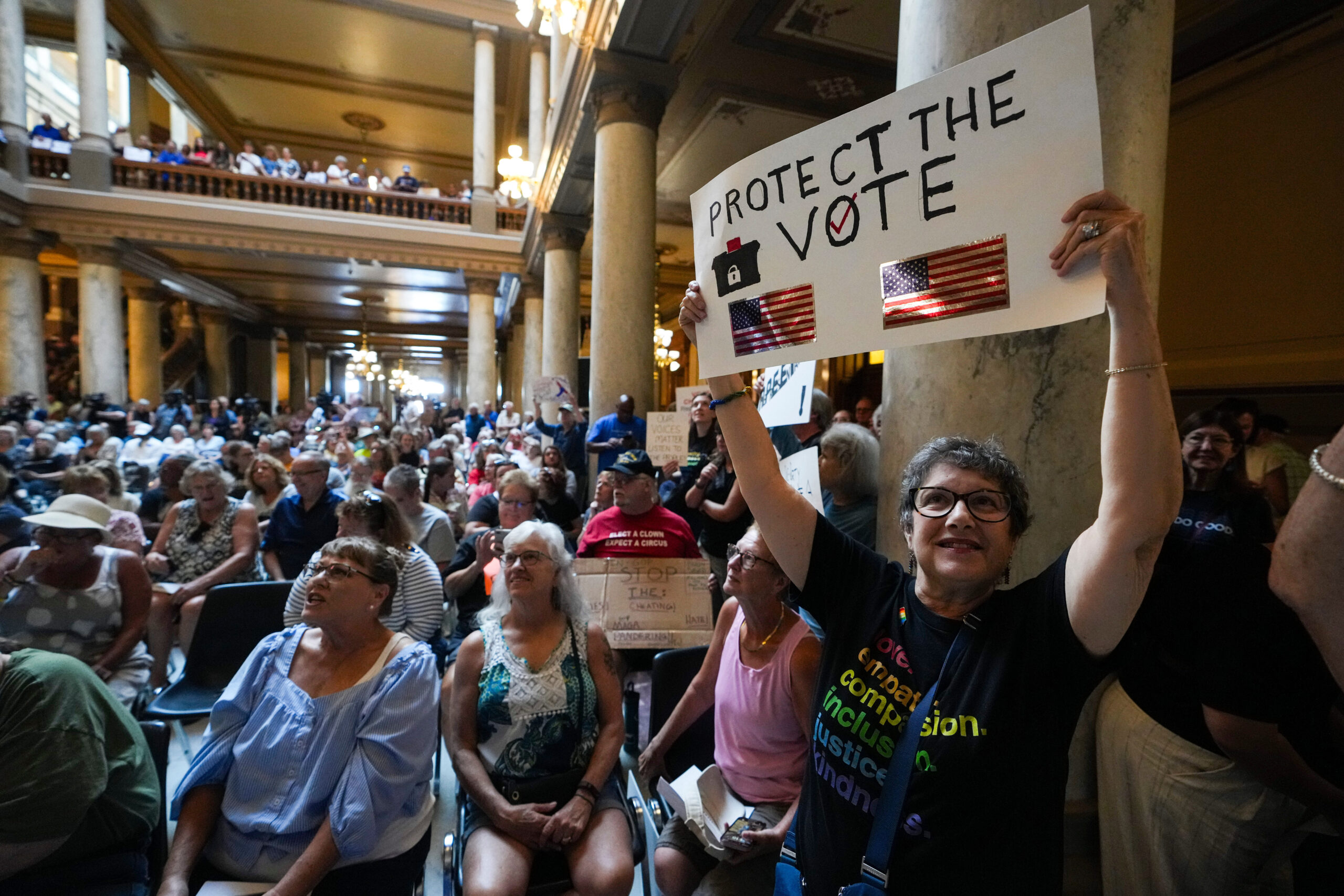
Recent polling indicates that many Indiana voters are increasingly concerned about how redistricting impacts their representation. With a significant number of voters expressing frustration over partisan gerrymandering, the Indiana GOP’s shift might be viewed as a strategic attempt to regain public trust.
Looking Ahead: The Road to 2024
As the party moves towards the November 2024 elections, the implications of this rebuke could resonate beyond state lines. Candidates like Mike Braun, who is seeking the U.S. Senate seat, may find themselves navigating a political landscape shaped by both internal party dynamics and voter sentiment.
The Indiana GOP faces a critical balancing act: maintaining party loyalty while appealing to a broader electorate disillusioned with partisan politics. The outcome of this internal strife may influence not only Indiana’s political future but also provide insights into the Republican Party’s direction nationally.
In conclusion, while the Indiana GOP’s recent actions suggest a temporary detente in redistricting conflicts, the long-term implications of their stance on Trump remain to be seen. As the party prepares for the upcoming elections, it will be essential to monitor how these internal divisions play out in the political arena. The evolving situation in Indiana serves as a microcosm of the challenges facing the Republican Party as it approaches a pivotal election year.