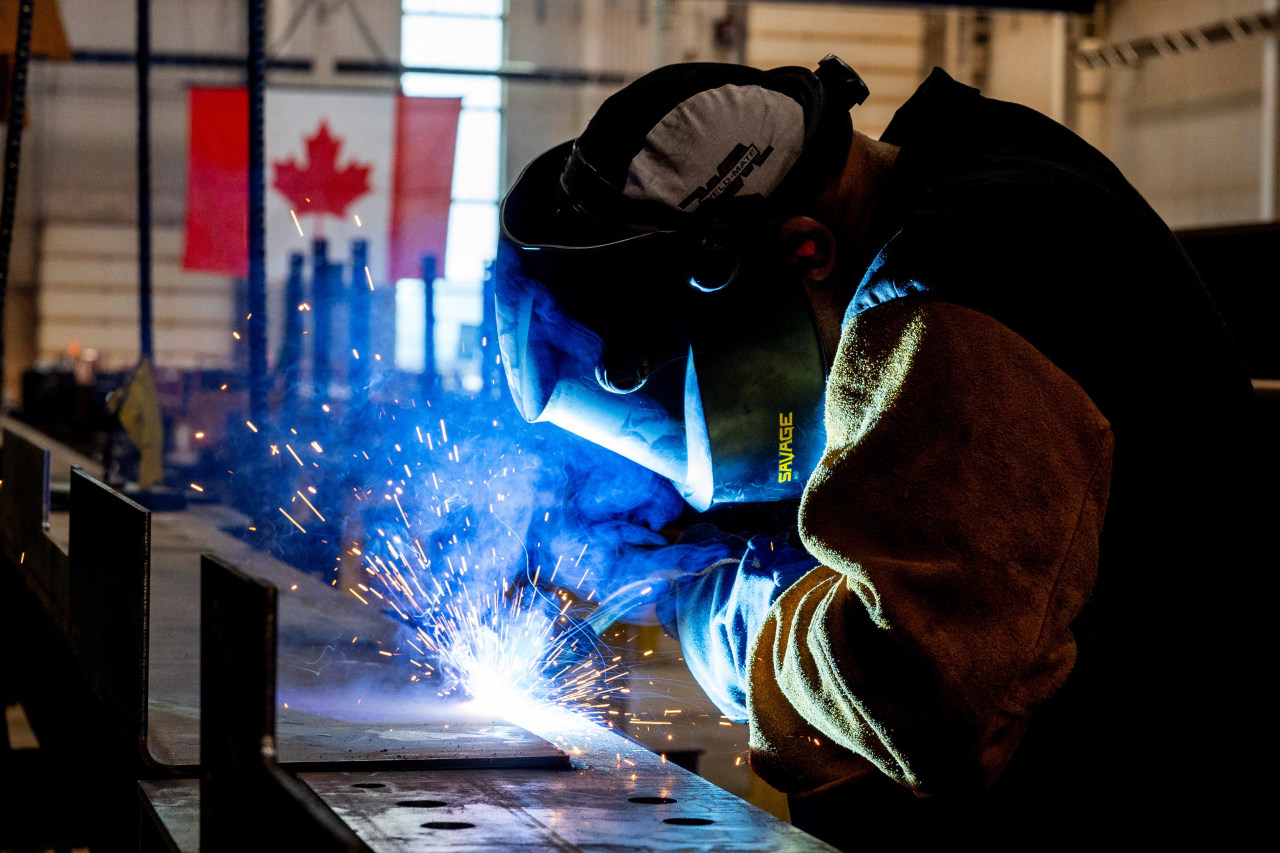
Canada has announced that it will implement tighter limits on steel imports starting on December 26, 2023. This decision aims to bolster the country’s domestic steel sector, which has faced significant challenges due to substantial tariffs imposed by the United States.
The new restrictions will primarily target countries that do not have free-trade agreements with Canada. By doing so, Ottawa is seeking to protect local steel producers from foreign competition that may benefit from lower production costs. This move is seen as a direct response to U.S. trade measures, which have created an uneven playing field for Canadian steel manufacturers.
Impact on International Trade Relations
The Canadian government’s decision could have far-reaching implications for international trade. Countries without free-trade agreements may find it increasingly difficult to export steel to Canada, potentially affecting their economies. The new limits could also strain relations between Canada and these nations, particularly if they view the restrictions as unfair trade practices.
The steel sector is a crucial part of Canada’s economy, providing thousands of jobs and supporting various industries. By restricting imports, Canada aims to secure the future of its domestic producers, ensuring they can compete effectively in both local and international markets.
Response from Industry Stakeholders
Industry stakeholders have expressed mixed reactions to the announcement. Some welcome the protective measures, arguing that they are necessary to preserve Canadian jobs and maintain a competitive manufacturing base. Others, however, worry that such limitations could lead to retaliatory measures from affected countries, ultimately harming Canada’s trade relationships.
According to industry reports, the Canadian steel sector has struggled under the weight of U.S. tariffs, which have significantly impacted its market share. The new import limits may provide a much-needed lifeline for domestic producers, allowing them to recover and grow in a challenging global landscape.
As Canada prepares to implement these changes, it remains to be seen how other countries will respond. The government has stated that it will monitor the situation closely and is prepared to engage in discussions with affected nations to address any concerns that may arise.
In summary, Canada’s new steel import limits are a strategic move designed to protect its domestic industry from external pressures. While the decision may help bolster local production, it also raises questions about the future of Canada’s trade relations and the potential for international tensions.