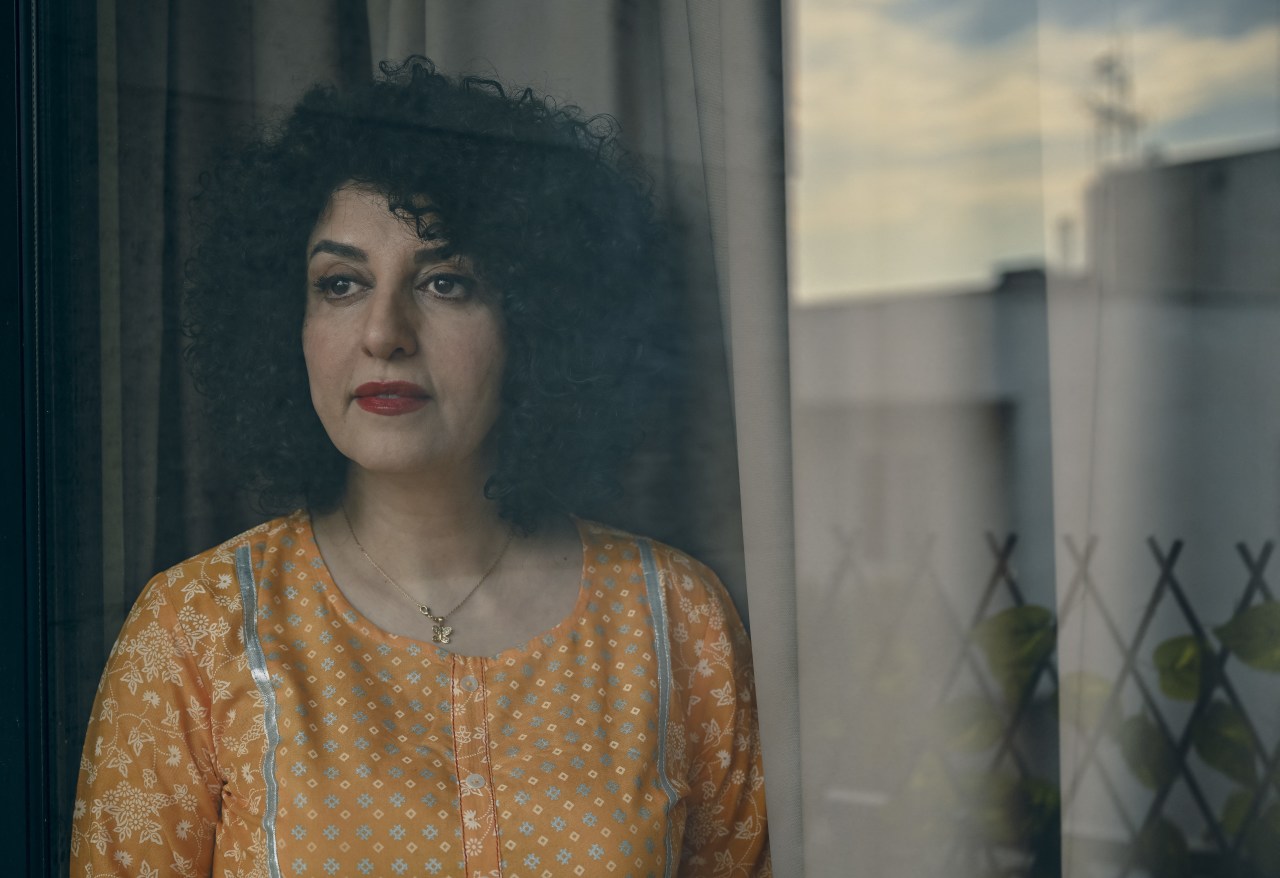
Iranian authorities have arrested human rights activist and Nobel Peace Prize laureate Narges Mohammadi, as confirmed by her foundation on October 25, 2023. Mohammadi, who has been a vocal critic of the Iranian government and its treatment of political prisoners, was taken into custody shortly after participating in protests advocating for freedom and justice.
This incident marks a significant escalation in Iran’s ongoing crackdown on dissent, particularly against those who challenge the regime’s policies. Mohammadi’s arrest follows her temporary release from prison in 2022, where she had been serving a sentence related to her activism. She was released to recover from surgery but has remained a prominent figure in the fight for human rights in Iran.
Background on Narges Mohammadi’s Activism
Narges Mohammadi, a mother of two, has dedicated her life to advocating for human rights, particularly for women and political prisoners in Iran. She was awarded the Nobel Peace Prize in 2022 for her relentless pursuit of justice and freedom. Her work has drawn international attention to the plight of those detained in Iran, as well as the broader issues of repression and censorship within the country.
According to Amnesty International, Mohammadi has faced multiple arrests and has spent significant time in prison due to her activism. Her current detention is seen as part of a larger pattern of harassment against human rights defenders in Iran, particularly since the protests following the death of Mahsa Amini in 2022.
International Response and Implications
The arrest of Mohammadi has sparked widespread condemnation from human rights organizations and governments around the world. International leaders have called for her immediate release, emphasizing that her detention is a violation of basic human rights. Ebrahim Raisi, the President of Iran, has faced increasing pressure to address the rights abuses occurring within the country, but the government’s response has largely been to double down on its stance against dissent.
Her foundation has stated that they are working to secure her release while raising awareness about the ongoing repression in Iran. As protests continue across the nation, Mohammadi’s case highlights the risks faced by those who dare to speak out against the regime.
The implications of her arrest extend beyond Mohammadi herself; they underscore the difficult situation for human rights defenders in Iran, who often operate under severe threats. As international scrutiny increases, the Iranian government’s actions may further alienate it from the global community, complicating any potential negotiations regarding its nuclear program and other diplomatic matters.
As the situation develops, attention will remain focused on Narges Mohammadi and other activists fighting for justice in Iran. Their courage in the face of oppression serves as a reminder of the ongoing struggle for human rights in regions where dissent is met with harsh consequences.