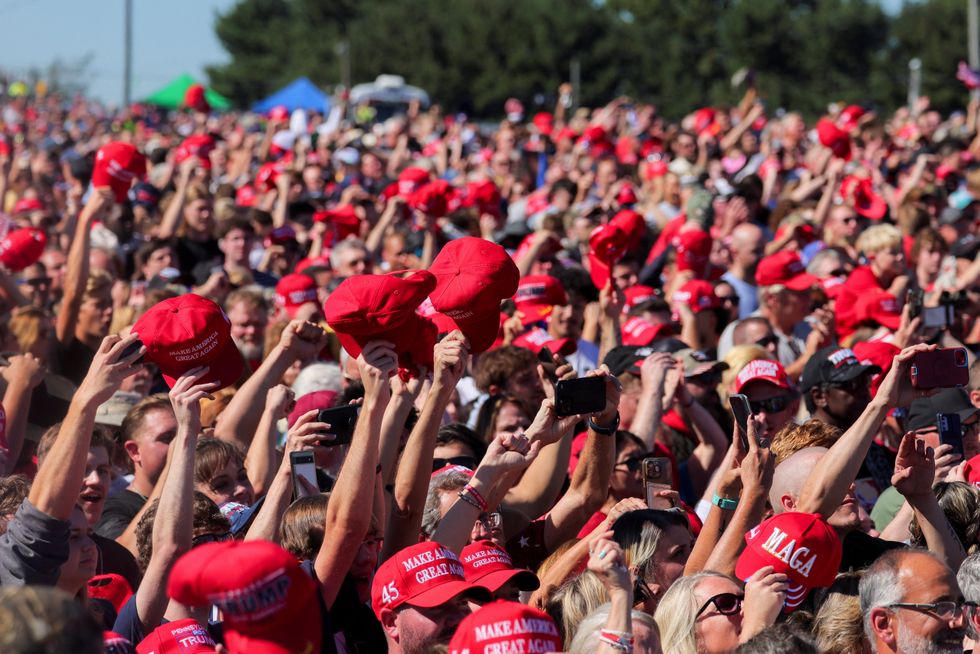
President Donald Trump delivered a significant economic speech in Pennsylvania on March 5, 2024, aimed at addressing Americans’ worries regarding the cost of living. Instead of reassuring his party, the address raised alarms within the Republican Party about his disconnect from the economic challenges facing voters. As concerns about affordability grow ahead of the midterm elections, Trump’s remarks have left many Republicans questioning his grasp of the situation.
During a lengthy 90-minute speech, Trump maintained that the economy was thriving and prices were dropping, despite evidence suggesting otherwise. His comments seemed to ignore the widespread anxiety among voters about rising costs, leading some GOP leaders to express frustration. “Telling people they don’t know what’s going on in their lives is a mistake, and that won’t work,” said Douglas Holtz-Eakin, president of the American Action Forum. The sentiment reflects a growing concern that Trump’s optimistic tone may not resonate with a public feeling the pinch of high prices.
Trump dismissed the focus on affordability, labeling it a “hoax” propagated by Democrats. This stance has sparked unease within the party as they prepare for a challenging midterm election cycle. Many Republican strategists are urging the party to pivot towards addressing economic grievances directly. “The first thing in terms of recovery is acknowledging there’s a problem,” remarked Matthew Bartlett, a GOP strategist.
Despite the urgency for a change in strategy, some within Trump’s circle maintain a belief that his continued promotion of a robust economy will eventually sway voter sentiment. “We need to get back on offense,” said a Trump adviser, highlighting the need for a proactive approach as the party faces declining approval ratings.
Trump’s speech marked the beginning of a series of addresses focused on affordability, aimed at energizing his voter base. However, as Republicans grapple with diminishing support, there is a growing perception that Trump’s message is out of touch. Polling indicates a significant decline in public confidence in his economic management, driven by rising costs and a faltering job market.
The GOP’s struggles are further compounded by recent electoral defeats at state and local levels, which many attribute to dissatisfaction with the economy. In response, party leaders are working to reshape their affordability narrative, emphasizing plans to address healthcare costs and housing affordability.
The White House has also adjusted its rhetoric, with officials acknowledging the economic pressures facing many Americans while asserting that their policies are beginning to alleviate these issues. Treasury Secretary Scott Bessent stated, “President Trump is stamping out Biden inflation for good,” projecting optimism for an economic turnaround in the near future.
Despite the administration’s efforts to promote a positive economic outlook, Trump’s public statements often contradict this narrative. During his speech, he briefly acknowledged that prices had been high but quickly reverted to framing the economy as “unbelievable.” He rated his economic performance an “A-plus-plus-plus-plus-plus,” indicating a strong belief in his administration’s achievements.
Many Republican lawmakers, however, do not share Trump’s confidence. Senator Shelley Moore Capito of West Virginia noted that constituents are still struggling financially, highlighting a disconnect between Trump’s assertions and voter experiences. Senator Roger Marshall, a supporter of the White House, remarked that Trump’s remarks may be a reaction to media scrutiny, but he refrained from endorsing the president’s optimistic outlook.
With the midterm elections approaching, the GOP faces significant challenges. Lawmakers are particularly concerned about healthcare and housing costs, which are critical issues for voters. The impending expiration of enhanced Affordable Care Act subsidies threatens to exacerbate financial burdens on families, leaving the party without a clear plan to address these pressing concerns.
As the GOP navigates this complex landscape, Trump’s emphasis on past economic successes may not suffice to convince voters facing immediate financial pressures. Senator Josh Hawley of Missouri articulated this sentiment, noting, “The president’s a great salesman, so he will sell what he’s done,” but added, “they know what their checkbook says,” underscoring the importance of tangible improvements in voters’ lives.
In conclusion, Trump’s recent economic speech has intensified concerns within the Republican Party about the effectiveness of his messaging on affordability. As the midterm elections loom, the party must grapple with the realities of voter dissatisfaction while attempting to unify behind a coherent economic strategy.