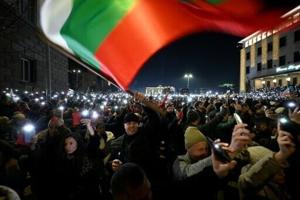
Strong public discontent erupted in Bulgaria on March 6, 2024, as tens of thousands of citizens took to the streets in a widespread protest against government corruption and a controversial draft budget. The demonstrations, which unfolded in major cities including Sofia, Plovdiv, and Varna, marked a significant escalation in a growing anti-corruption movement that has been gaining momentum in recent months.
The protests were organized by various civic groups and political factions, all united by their demand for greater transparency and accountability from government officials. Many demonstrators expressed frustration over the draft budget, which they believe prioritizes the interests of a select few over the needs of the general population. Protesters carried signs reading, “No to Corruption!” and “For a Better Bulgaria!”, emphasizing their desire for systemic change.
Background of the Protests
The civil unrest can be traced back to a series of allegations involving high-ranking officials and misappropriation of public funds. According to local media, public trust in the government has been steadily declining, with surveys indicating that over 70% of Bulgarians view corruption as a significant issue affecting their lives. The dissatisfaction has intensified as citizens grapple with economic challenges, including rising living costs and stagnating wages.
On the day of the protests, local police estimated that around 50,000 people participated in Sofia alone, while thousands more joined in other cities. The gatherings remained largely peaceful, although there were reports of minor scuffles between protesters and police in some areas. Authorities responded to the demonstrations by increasing police presence, aiming to maintain order while allowing citizens the right to express their grievances.
Government Response
In light of the protests, government officials have issued statements urging for dialogue and reform. Prime Minister Stefan Yanev acknowledged the concerns raised by citizens but emphasized the need for stability in the face of economic challenges. He stated, “We hear the voices of our citizens, and we are committed to addressing their concerns,” highlighting the administration’s intention to engage with the public.
Despite these reassurances, many protesters remain skeptical. They argue that without significant changes to how the government operates, the current administration will not adequately address the corruption issues that have plagued Bulgaria for years. Activists have called for a more significant overhaul of governmental practices, including stricter anti-corruption measures and enhanced oversight of public spending.
As the protests continue, the future of Bulgaria’s political landscape remains uncertain. Citizens are increasingly vocal about their demand for change, and the government’s response in the coming weeks will likely determine the trajectory of public sentiment and further actions. The situation highlights a broader trend in many countries, where citizens are demanding greater accountability from their governments in an era marked by economic uncertainty and social unrest.
The outcome of this movement could have lasting implications for Bulgaria’s political climate, as well as its relationship with the European Union, which has been closely monitoring the situation. The protests serve as a reminder of the power of collective action and the importance of civic engagement in shaping democratic governance.