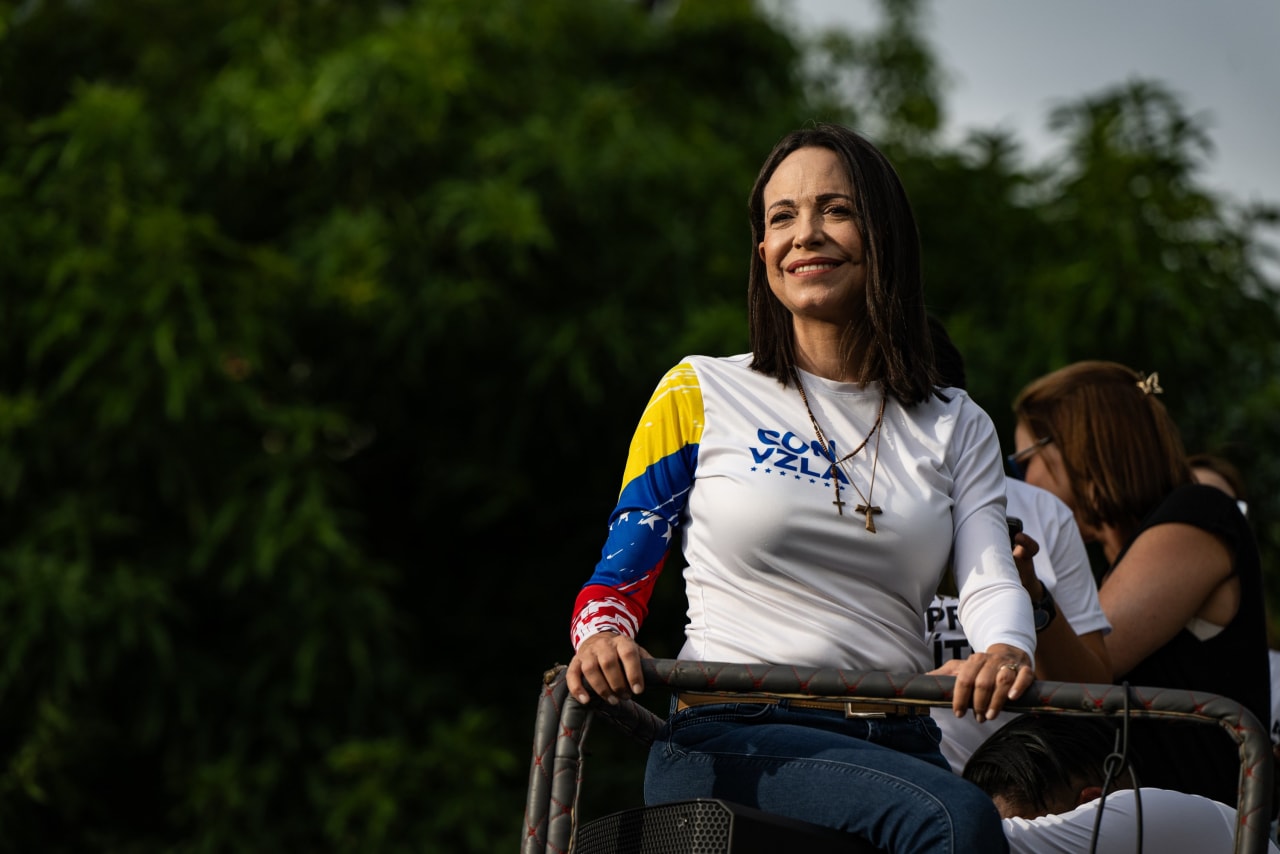
María Corina Machado, a prominent Venezuelan opposition leader, will not attend the ceremony to receive the Nobel Peace Prize in Norway due to concerns about her safety and the possibility of being barred from re-entering Venezuela. The announcement was made by the Nobel Committee on October 6, 2023, highlighting the risks associated with her travel.
Machado’s decision comes amid ongoing political turmoil in Venezuela, where the government has been known to target dissenting voices. The Nobel Committee had recognized her efforts in advocating for democracy and human rights, but her absence from the ceremony underscores the precarious situation for opposition figures in the country.
The Nobel Peace Prize is awarded annually to individuals or organizations that have made significant contributions to peace efforts. Machado was selected for her unwavering stance against authoritarianism and her commitment to restoring democratic governance in Venezuela.
In a statement, the committee expressed its disappointment at Machado’s inability to attend, emphasizing the importance of her work. “Her fight for democracy and human rights is a beacon of hope for many,” said Berit Reiss-Andersen, Chair of the Nobel Committee. The committee’s acknowledgment of her contributions highlights the global recognition of the struggles faced by Venezuelans under the current regime.
Despite the honor, Machado’s decision reflects the risks she faces in her home country. The Venezuelan government, led by President Nicolás Maduro, has previously issued threats against opposition leaders, with some being imprisoned or exiled. Consequently, traveling to Norway could have led to her being unable to return home, a situation that many Venezuelan dissidents have encountered.
The plight of political activists in Venezuela has drawn international attention, with organizations such as the United Nations urging for the protection of human rights defenders. The situation has prompted discussions around the need for more robust international measures to safeguard those who advocate for democracy in oppressive regimes.
As Machado remains in Venezuela, her supporters continue to rally for her cause, emphasizing the need for solidarity among those fighting against authoritarianism. Her decision not to attend the Nobel Peace Prize ceremony serves as a stark reminder of the challenges faced by activists in regions where freedom of expression is significantly curtailed.
In light of these developments, the international community is called upon to increase pressure on the Venezuelan government to respect human rights and allow for greater political freedoms. The absence of María Corina Machado at the Nobel ceremony not only highlights her personal sacrifices but also signals the ongoing struggle for democracy in Venezuela.