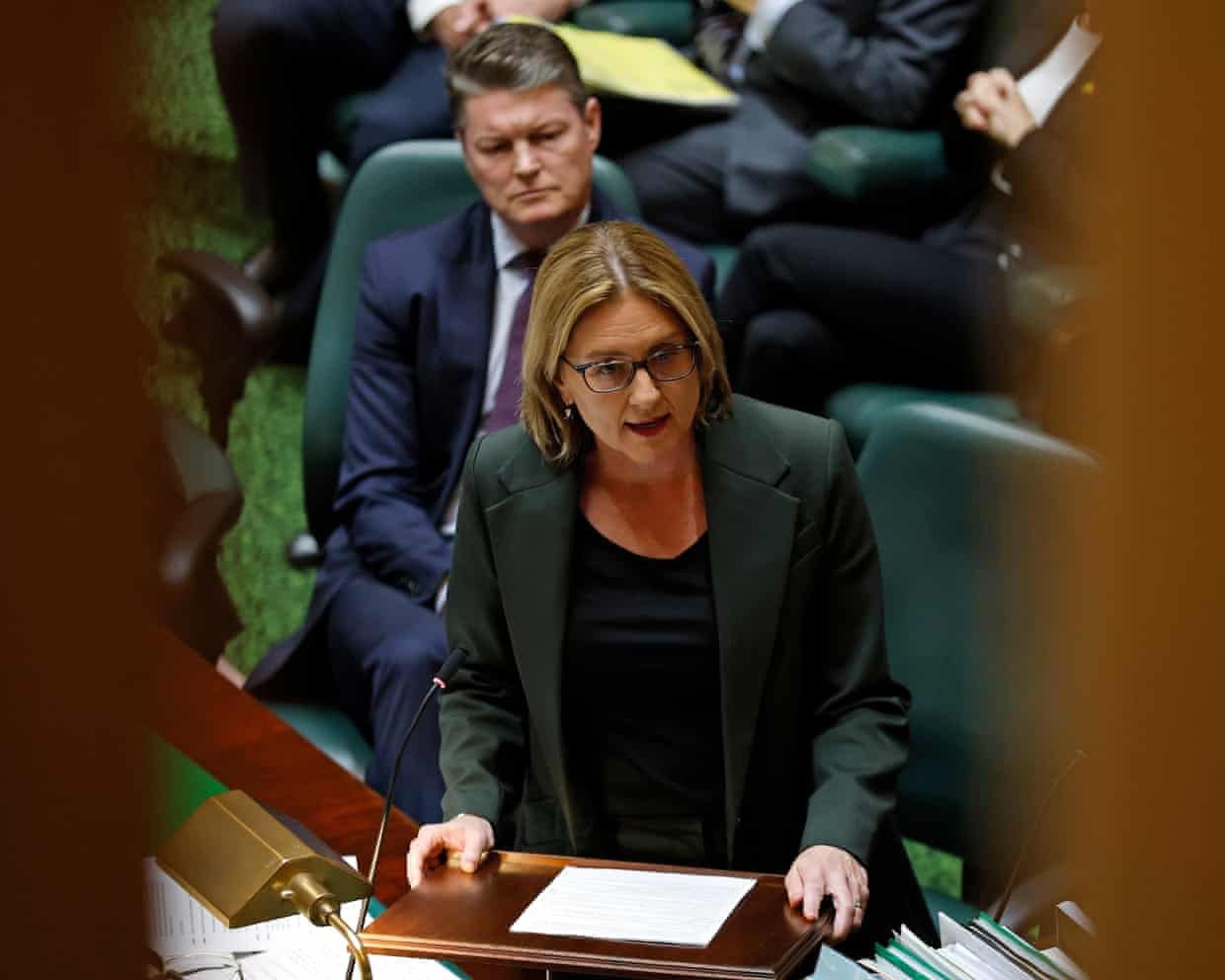
The Victorian government has formally apologized to Aboriginal people for the injustices they suffered during colonization, acknowledging the “rapid and violent” nature of these events. Premier Jacinta Allan delivered the apology on March 15, 2024, before the state parliament, marking a significant step in the ongoing process of reckoning with the state’s history.
In her statement, Allan addressed the historical decisions made within the parliament that have long denied Aboriginal peoples their rights and self-determination. She emphasized that the harm inflicted on generations of First Peoples is undeniable. “We acknowledge the harm inflicted on generations of First Peoples – and mark the beginning of a new era, one that embraces truth, honours justice, and creates space for a shared future built in full view of the past,” she stated.
Allan described colonization in Victoria as a systematic process that stripped Aboriginal people of their lands, languages, cultures, and children. She noted that these actions were not accidental but deliberate, driven by colonial policies. The apology follows the findings of the Yoorrook Justice Commission, which revealed the extent of harm suffered by Aboriginal communities and highlighted that their sovereignty was never ceded.
As part of her remarks, Allan addressed the ignorance many Victorians had regarding the historical injustices faced by Aboriginal peoples until the Commission’s truth-telling efforts shed light on these issues. “Now that we have a statewide treaty – a negotiated agreement between equals – we can begin to say what should have been said long ago,” she said, reinforcing the importance of the apology in the broader context of reconciliation.
Allan’s speech outlined specific acknowledgments of past wrongs, including the removal of children, the silencing of languages, and the displacement of communities. She expressed deep regret for the laws and policies that enabled such acts and reiterated a commitment to ensuring that such injustices are never repeated. “To all the First Peoples in the gallery today, and to every community across this state – we say sorry,” she stated.
The apology was received with a mix of emotion and hope among those present. Jill Gallagher, a former Victorian treaty commissioner, noted that the apology was not merely symbolic but rather the first step towards healing. “It means our people here in Victoria can start the healing process, to acknowledge all those bad things that happened to our communities,” she said.
Elder Uncle Mark Rose highlighted the significance of the promise behind the apology, stressing that it is not just about words but actionable commitments. “It’s about doing something about it,” he said, reinforcing the necessity for tangible change following the apology.
The event also featured a smoking ceremony and a welcome to country, conducted by Uncle Andrew Gardiner, a Wurundjeri and Woi-wurrung elder. Over 300 First Nations people gathered to witness the proceedings, emphasizing the communal importance of the moment.
Labor MP Sheena Watt, the first Indigenous woman in the Victorian parliament, expressed pride mixed with sorrow. She reflected on the ongoing struggle within Indigenous communities and the impact of historical decisions made by the parliament. “Today is about recognising that decisions made by this parliament all those years ago mean that I can’t do that,” she said, referring to her inability to speak her ancestral language.
The apology, however, faced opposition from the Victorian Liberal Party, which expressed concerns regarding the treaty process referenced in Allan’s speech. Opposition leader Jess Wilson acknowledged past injustices inflicted by previous governments but remained critical of the current government’s approach. The apology motion was ultimately passed in the lower house with a vote of 56 to 27.
The response from Indigenous leaders, including Travis Lovett, deputy chair of the Yoorrook commission, criticized the opposition’s actions as disrespectful, implying that Aboriginal issues continue to be treated as political leverage.
The apology and the accompanying treaty process represent a pivotal moment in Victoria’s history, offering hope for a future built on mutual respect and recognition. As the state moves forward, the commitment to healing and addressing historical wrongs remains paramount, emphasizing that words alone are insufficient without corresponding actions to effect real change.