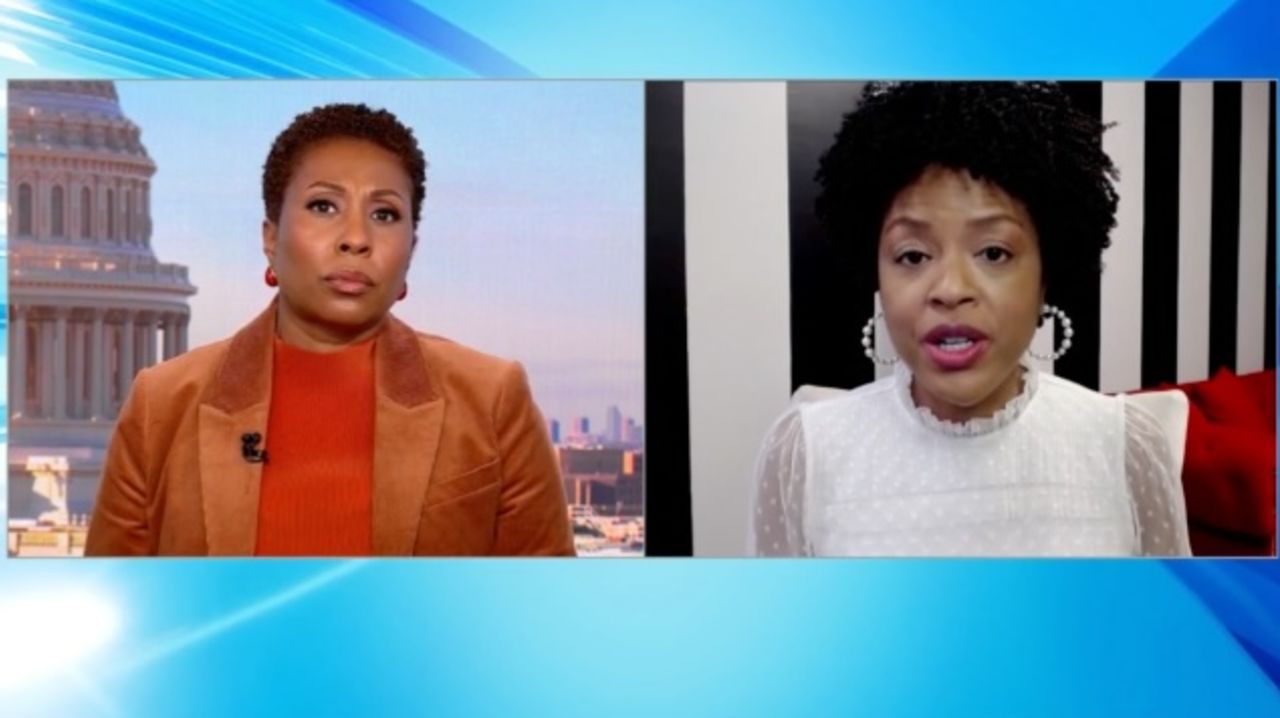
Recent viral videos have reignited discussions about the significant gaps in Black maternal health care in the United States. These videos reveal troubling disparities that continue to affect Black women during and after pregnancy, drawing attention to a crisis that has persisted for years.
Dr. Chris T. Pernell, the Director of the NAACP’s Center for Health Equity, stated that recent cutbacks to funding and research dedicated to Black maternal health have contributed to a lack of progress in addressing these issues. He emphasized that the reluctance to tackle this problem has resulted in an alarming situation that has not improved.
Addressing the Crisis in Maternal Health
Black women face a maternal mortality rate that is significantly higher than that of their white counterparts. According to the Centers for Disease Control and Prevention (CDC), Black women are three times more likely to die from pregnancy-related complications than white women. These statistics underscore the urgent need for systemic change in healthcare practices and policies.
Dr. Pernell pointed out that without adequate funding and research, health disparities will only deepen. He remarked, “We are witnessing a disregard for Black maternal health that is both alarming and unacceptable.” This sentiment reflects a broader concern within the healthcare community about the lack of focus on racial disparities in maternal care.
The viral videos, which include testimonies from mothers sharing their harrowing experiences, have gone viral on social media platforms, sparking outrage and a renewed call to action. Advocates are urging policymakers to allocate more resources to research and support programs aimed at improving Black maternal health outcomes.
The Importance of Funding and Research
Funding for Black maternal health initiatives has seen cuts in recent years, leading to fewer resources for necessary research and support services. Dr. Pernell emphasized that these funding reductions contribute directly to the ongoing crisis, as they limit the ability of healthcare providers to implement effective solutions.
Organizations like the NAACP are advocating for increased investment in health equity initiatives. They believe that addressing social determinants of health, such as access to quality healthcare, education, and economic stability, is essential to improving outcomes for Black mothers.
The impact of these disparities goes beyond individual health. The health of mothers directly influences the well-being of their children, and poor maternal health can lead to long-term negative effects on child development. In light of this, advocates argue that addressing Black maternal health is not only a matter of equity but also a public health imperative.
As the conversation continues to gain traction, many are hopeful that the renewed focus on Black maternal health care will lead to meaningful changes in policy and practice. The challenge remains to ensure that this moment of awareness translates into action, ultimately improving health outcomes for Black women and their families.
In conclusion, the resurfacing of these videos serves as a stark reminder of the work that still needs to be done to rectify the disparities in Black maternal health care. The commitment of organizations like the NAACP and the voices of mothers sharing their experiences are critical to fostering change and promoting health equity.