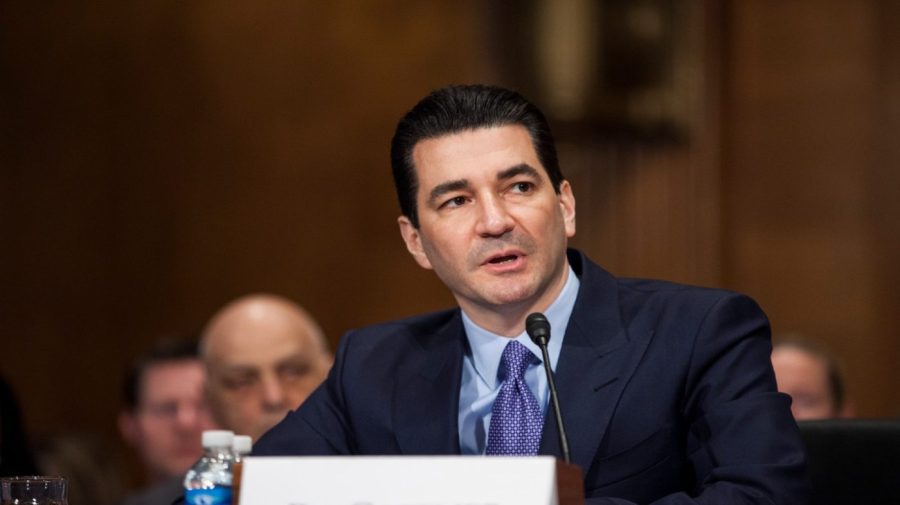
Former Food and Drug Administration (FDA) Commissioner Scott Gottlieb has publicly challenged statements made by President Donald Trump regarding the transmission of hepatitis B. In an interview on CBS News’s “Face the Nation” on October 1, 2023, Gottlieb asserted that Trump’s claims about the disease’s primary modes of transmission are “simply not true.”
During a recent event, Trump suggested that hepatitis B is “mostly” spread through sexual contact or the use of contaminated needles. Gottlieb refuted this characterization, emphasizing that while these methods can contribute to the disease’s spread, they do not account for the full spectrum of transmission pathways.
Understanding Hepatitis B Transmission
Hepatitis B is a viral infection that affects the liver and can lead to chronic disease or liver cancer. The virus is primarily transmitted through contact with infectious body fluids, including blood, semen, and vaginal secretions. While sexual transmission and the use of unsterilized needles are significant risk factors, the virus can also be transmitted from mother to child at birth or through exposure to contaminated medical equipment.
Gottlieb pointed out that a comprehensive understanding of hepatitis B is crucial for public health efforts. “Mischaracterizing the ways this virus spreads might hinder prevention efforts,” he said, underlining the importance of accurate information in combating the disease.
In his comments, Gottlieb stressed that education and awareness are vital in addressing hepatitis B. The former FDA chief urged the public to seek credible information from health professionals rather than relying on potentially misleading statements from political figures.
The Importance of Accurate Public Health Messaging
The discussion around hepatitis B highlights the broader issue of public health messaging, especially in an era where misinformation can rapidly spread through social media and other platforms. Health experts emphasize the need for clarity and precision in communication to ensure that individuals are adequately informed about health risks and preventive measures.
Gottlieb’s intervention serves as a reminder of the role that former health officials play in shaping public discourse on critical health issues. As someone with extensive experience in public health policy, his critiques carry significant weight, particularly during a time when discussions about infectious diseases are paramount.
As debates about public health continue, the tension between political rhetoric and scientific evidence remains a critical challenge. Engaging with accurate information can help mitigate the impact of diseases like hepatitis B, ultimately protecting communities and fostering informed decision-making among the public.