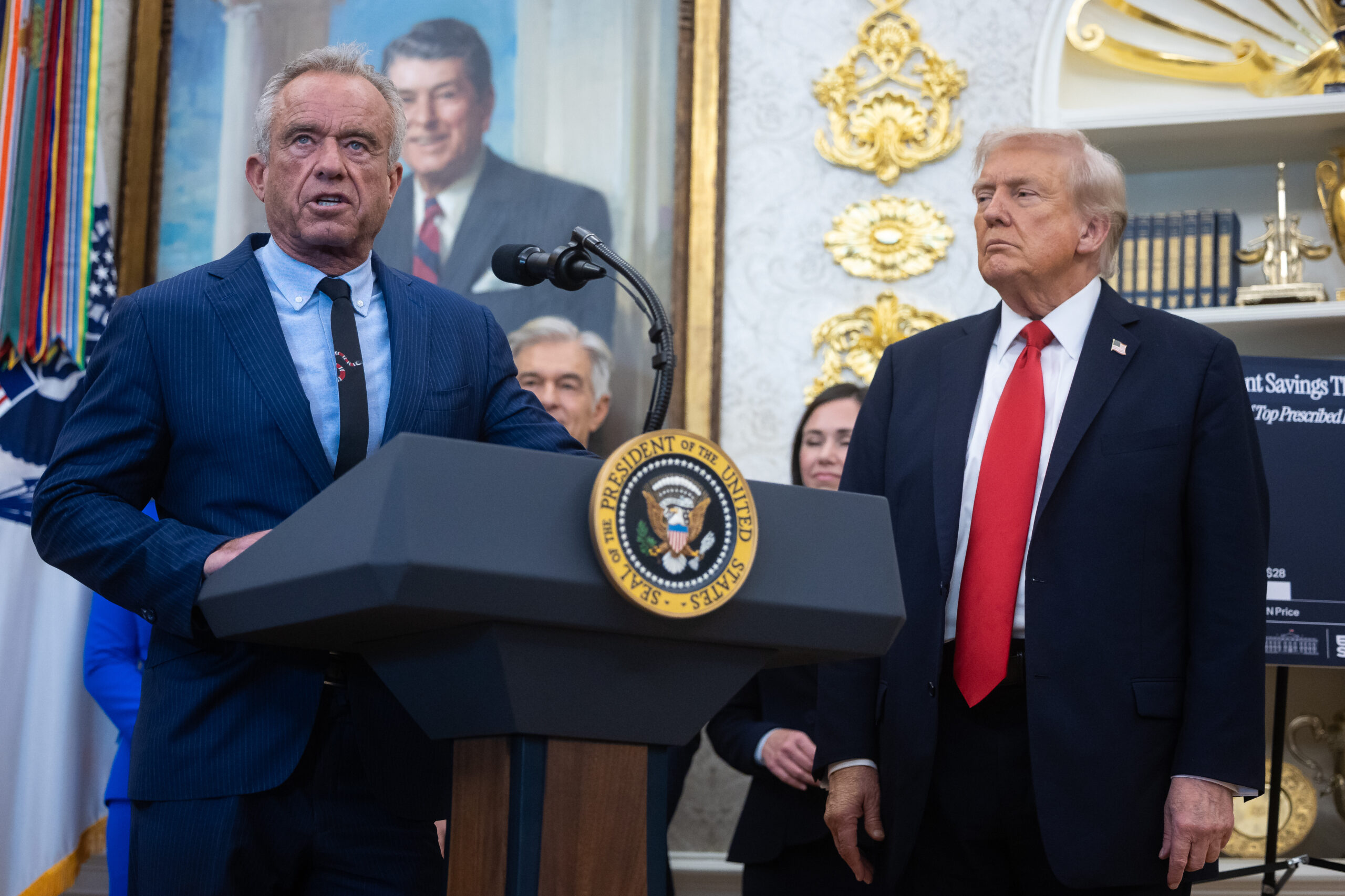
The federal government has indicated that billions in funding for rural health initiatives are contingent upon states adopting policies aligned with those supported by former President Donald Trump. This strategy, which some critics have labeled as a form of political leverage, raises concerns about the implications for healthcare access in various regions.
Democrats and health advocates have expressed unease regarding this approach. They argue that tying essential funding to specific political policies is highly unconventional and may disproportionately benefit political allies. This tactic, according to critics, risks undermining the objective of improving healthcare access in underserved areas.
Implications for Rural Healthcare
The proposed funding, which totals approximately $5 billion, aims to bolster healthcare services in rural communities. Advocates for rural health claim that these funds are crucial for addressing significant disparities in access to medical care. As many rural areas struggle with limited healthcare resources, the negotiation of these funds becomes a critical matter for state officials.
According to reports, the funding is linked to policies that align with the previous administration’s stance on healthcare, emphasizing a free-market approach. This raises questions about the potential impact on states that may not support these policies. Some governors have already expressed reluctance to comply, fearing that acceptance could compromise their political integrity and the well-being of their constituents.
Political Dynamics at Play
The political landscape surrounding this funding initiative is complex. Democrats in Congress have criticized the strategy, suggesting it amounts to a form of coercion that prioritizes political allegiance over the urgent needs of rural populations. Concerns have been raised that such measures could set a precedent for future funding negotiations, where essential services become bargaining chips.
Health advocates assert that this funding model could exacerbate existing inequalities in healthcare. States that do not align with the policies could find themselves at a disadvantage, further marginalizing vulnerable populations. The potential for this funding to create a divide between states that comply and those that resist is a significant concern among healthcare professionals and lawmakers alike.
As the negotiations unfold, the outcome could significantly influence healthcare delivery in rural areas across the country. The reliance on federal funding tied to specific policies will likely spark intense discussions among state leaders, healthcare providers, and advocates as they navigate these challenging dynamics.
In conclusion, the pressure on states to adopt policies favored by the former administration in exchange for crucial rural health funding highlights the intricate interplay between healthcare access and political strategy. As the debate continues, the stakes remain high for millions of individuals relying on these essential services.