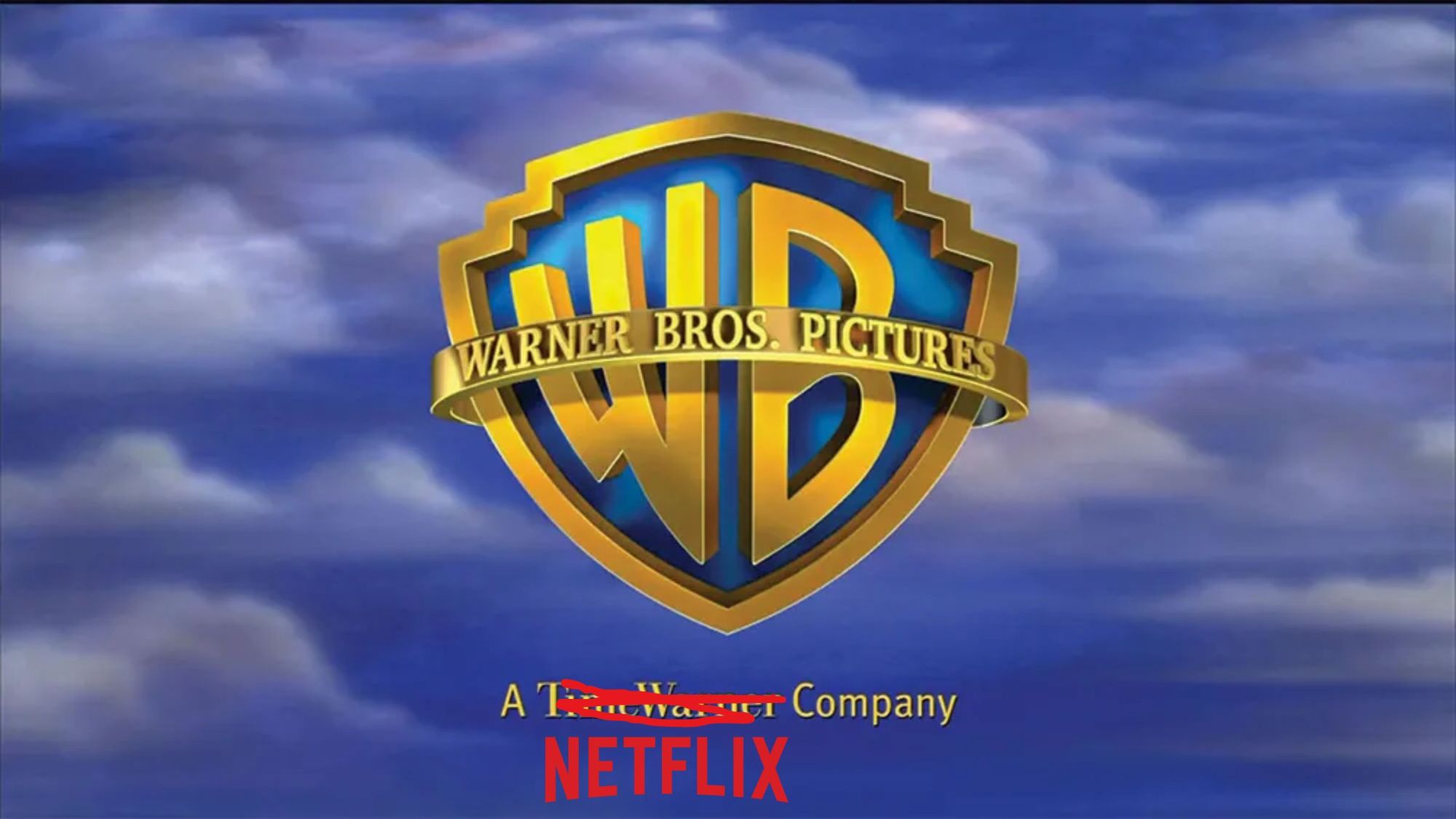
Netflix has announced plans to acquire Warner Bros. Discovery for an astounding $82.7 billion, a move that has sparked significant debate within the entertainment industry. This merger, reminiscent of Amazon’s acquisition of MGM in 2022, will potentially bring iconic franchises such as Harry Potter and the entire DC Universe under the Netflix banner. While the merger is not yet finalized, its implications for the future of streaming, theatrical releases, and the overall landscape of the entertainment sector are already raising crucial questions.
Concerns Over Physical Media and Theatrical Releases
One major concern is the potential impact on the physical media market. With the decline of rental services like Blockbuster and Redbox, physical media has struggled to maintain its foothold. If Netflix absorbs Warner Bros., it is likely that the release of DC Universe films on physical formats like 4K Blu-ray will diminish, as the company may prioritize streaming exclusives for higher profits. This shift could mean that fans will need to subscribe to Netflix to view content they once could have purchased, leading to increased streaming costs for consumers.
Similarly, the future of movie theaters hangs in the balance. Ted Sarandos, Netflix’s CEO, indicated that while theatrical releases of Warner Bros. films won’t disappear entirely, the exclusivity window will be significantly shortened. According to Sarandos, long exclusive windows are not viewed as consumer-friendly, which suggests that films could transition to streaming within weeks of their theatrical debut. This could further exacerbate the challenges already faced by theaters struggling to attract audiences.
Rising Subscription Costs and Content Quality
As Netflix continues to expand its library, another concern is the potential rise in subscription costs. By December 2025, Netflix’s pricing structure includes $7.99 for its ad-supported plan, $17.99 for standard access, and $24.99 for premium subscribers. Should the merger go ahead and Netflix integrate HBO Max’s catalog, consumers may see substantial price hikes, especially if exclusive content leads to increased demand. The reality of maintaining multiple streaming subscriptions can already strain budgets, and further increases could make the service less accessible.
The quality of content is also under scrutiny. If HBO Max’s offerings are absorbed into Netflix, there are concerns that the excellence typically associated with HBO content may decline. Netflix has produced critically acclaimed series, but its track record of canceling shows, even those with dedicated fanbases, raises doubts about the future of beloved HBO series.
Implications for the DC Universe
The fate of the DC Universe is another pressing question. While Sarandos has reassured that theatrical distribution of major Warner Bros. properties will continue, the shortened release windows could pose challenges for creative leaders like James Gunn and Peter Safran. The success of projects like Superman could depend on how well they adapt to new distribution strategies. Concerns about the longevity of the DC cinematic offerings abound, particularly if creators feel pressured by the constraints of the new framework.
As the entertainment industry braces for potential changes, the acquisition of Warner Bros. by Netflix could reshape how audiences consume content. Stakeholders and viewers alike will be watching closely to understand the implications of this monumental deal. With significant changes on the horizon, the future of both streaming and traditional media hangs in the balance.