In 2025, major retail chains and technology companies are introducing advanced artificial intelligence tools aimed at transforming the holiday shopping experience. These innovations are designed to simplify gift purchasing for consumers while enhancing online spending for retailers during the busiest shopping season of the year.
OpenAI has unveiled an instant checkout feature that enables users to purchase products recommended by ChatGPT without exiting the application. This seamless integration aims to facilitate a more streamlined shopping experience, catering to consumers’ preferences for convenience and speed during the holidays.
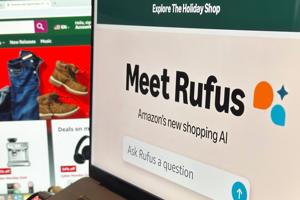
Meanwhile, Amazon has rolled out a generative AI-powered shopping assistant named Rufus. This tool assists buyers in making informed purchasing decisions by offering personalized suggestions based on user preferences and shopping habits. By leveraging AI, Amazon seeks to enhance customer satisfaction and increase conversion rates during the critical holiday shopping period.
The introduction of these AI tools comes at a time when online retail is experiencing significant growth. According to recent industry reports, online sales are projected to reach $1 trillion worldwide during the holiday season, underscoring the importance of innovative technologies in capturing consumer attention.
In addition to enhancing user experience, these AI innovations also provide retailers with valuable insights into consumer behavior. Analysis of shopping patterns can help businesses tailor their marketing strategies and inventory management, ensuring they meet customer demand effectively.
As the holiday shopping season approaches, the competition among retailers is intensifying. Companies that successfully integrate AI into their shopping platforms may gain a substantial advantage in attracting consumers. This trend highlights the growing intersection of technology and retail, where customer preferences increasingly dictate purchasing behavior.
The deployment of AI tools is not limited to large corporations. Smaller retailers are also exploring ways to incorporate AI into their operations. By adopting accessible AI solutions, these businesses can compete more effectively with larger chains, leveling the playing field in an increasingly digital marketplace.
With an eye on the future, experts suggest that the role of AI in retail will continue to expand beyond the holiday season. As consumers become accustomed to these technologies, retailers will need to adapt to maintain relevance in a fast-evolving market. The integration of AI tools could redefine traditional shopping experiences, offering personalized and efficient solutions that cater to the needs of modern consumers.
In summary, the advancements in AI technologies are set to reshape holiday shopping in 2025, making it easier for consumers to find and purchase gifts. As retailers embrace these innovations, it will be crucial for them to leverage the insights gained from consumer interactions to refine their strategies and maximize sales potential.