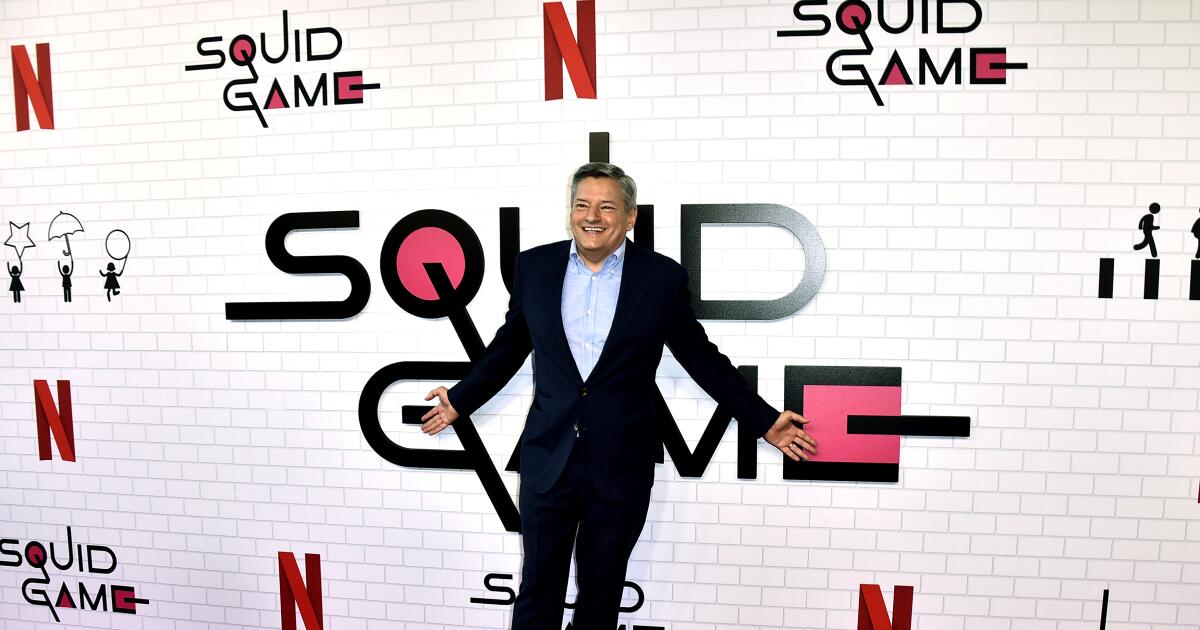
Netflix co-CEO Ted Sarandos has executed a landmark deal valued at $82 billion to acquire significant assets from Warner Bros., including the well-known film and television studios in Burbank and the HBO and HBO Max streaming services in Culver City. This acquisition marks a significant shift in the media landscape, as it would enable Netflix to enhance its content portfolio with iconic films such as “Casablanca” and “Goonies,” along with popular franchises featuring characters like Batman and Harry Potter.
“This is a rare opportunity,” Sarandos stated during an investor call, emphasizing the deal’s potential to help Netflix fulfill its mission to entertain audiences globally. He described the acquisition as a bold step that aligns with the company’s evolving strategy to cater to a broader audience through engaging storytelling.
The acquisition is not without its challenges. It must still receive approval from Warner shareholders and regulatory bodies in both the United States and abroad. Netflix has expressed confidence that the deal will close within 12 to 18 months, despite facing opposition from various stakeholders, including cinema chains, lawmakers, and labor unions. The Writers Guild of America has voiced concerns, arguing that the merger could violate antitrust laws designed to prevent monopolistic practices in the entertainment industry.
As Sarandos’s career trajectory demonstrates, he has consistently defied industry norms. He began his journey in Hollywood as a clerk in a video store and joined Netflix when it was still a fledgling DVD rental service. His early success came from securing a pioneering revenue-sharing agreement with Warner Bros. during his tenure at West Coast Video. His ability to understand audience preferences has been a key factor in Netflix’s rise to prominence.
Over the years, Netflix transitioned from renting DVDs to streaming licensed content, and eventually to creating original series. Sarandos faced skepticism regarding Netflix’s original programming initiatives. However, his decisive move to acquire the rights to “House of Cards” in 2011 was pivotal, marking a turning point for the platform. The commitment to produce two seasons of the show without a pilot approval signaled Netflix’s confidence in its original content strategy.
Transforming the Entertainment Landscape
Sarandos has been instrumental in reshaping how content is consumed. He was one of the first to release entire seasons of shows simultaneously, enabling binge-watching, a trend that has since become a hallmark of streaming services. Titles like “Stranger Things” have benefitted from this approach, allowing them to become cultural phenomena with a dedicated fan base. Creators have increasingly sought to partner with Netflix, recognizing its potential for broad reach.
In addition to acquiring Warner Bros., Netflix has expanded its global presence, producing hits like the Korean series “Squid Game,” which shattered viewership records shortly after its release. As the company navigates a changing industry, it continues to face competition from platforms such as YouTube and social media giants like TikTok.
The strategic acquisition of Warner Bros. assets aligns with Netflix’s goal of growth, particularly as the company seeks to add potentially 100 million new subscribers through the integration of Warner’s offerings. Sarandos’s vision has been characterized by a focus on innovation, with the aim of maintaining Netflix’s position as a leader in the streaming space.
Despite these advancements, Sarandos has encountered obstacles, including a decline in subscribers in early 2022, which marked the first drop in over a decade. In response, Netflix has diversified its revenue streams by addressing password sharing and venturing into advertising and live events, including sports programming.
As the media landscape evolves, the upcoming merger could see Netflix become the third owner of Warner Bros. and HBO in under a decade. Sarandos remains confident that the deal will not only benefit consumers but will also foster innovation and growth within the industry. “This deal is pro-consumer, pro-innovation, pro-worker, pro-creator, pro-growth,” he stated, reaffirming his commitment to collaboration with regulators and stakeholders.
Sarandos’s compensation package, valued at $61.9 million in 2024, reflects his influence and leadership in Hollywood. He has faced scrutiny over various issues, including compensation disputes during the dual strikes in 2023, but has remained a significant figure in bridging gaps between creators and the streaming giant.
As Netflix continues to navigate the complexities of the entertainment industry, Sarandos emphasizes the need for ongoing innovation. “In a world where people have more choices than ever how to spend their time, we can’t stand still,” he remarked, underscoring the importance of investing in stories that resonate with audiences. The upcoming acquisition could redefine Netflix’s trajectory as it solidifies its status as a major player in Hollywood.