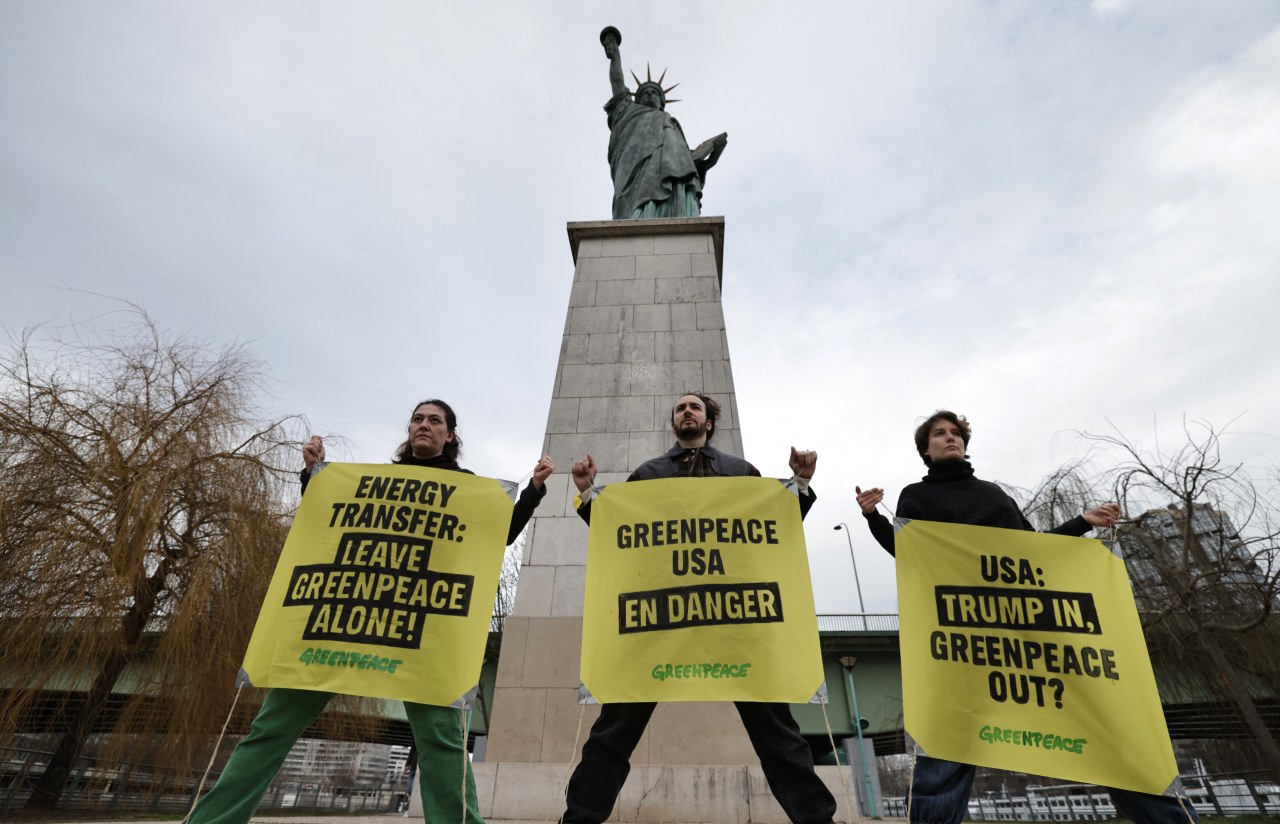
Greenpeace has initiated legal action in a Dutch court seeking to reverse a ruling from a United States court that favored the Dakota Access Pipeline project. This move highlights the environmental group’s strategy to leverage European law as a means to influence American infrastructure projects.
The case stems from a 2020 U.S. decision that allowed the continuation of the Dakota Access Pipeline, which has faced significant opposition due to environmental concerns. Greenpeace argues that the European legal framework can provide a robust platform to challenge such infrastructure developments that they believe pose risks to the environment and local communities.
Legal Strategies and Environmental Impact
Greenpeace’s action is rooted in the principles of European law, which emphasize environmental protection and sustainability. The organization claims that its approach can create a precedent for similar challenges against American projects. By utilizing this legal framework, Greenpeace aims to disrupt pipeline operations not only in the United States but potentially in other regions where European companies are involved.
The Dakota Access Pipeline, which spans approximately 1,172 miles, transports crude oil from the Bakken shale formation in North Dakota to Illinois. Proponents argue that it is vital for U.S. energy independence, while critics, including indigenous and environmental groups, assert that it threatens water resources and habitats.
Greenpeace’s legal maneuvering comes at a time when global awareness of climate change and environmental degradation is at an all-time high. The organization has previously succeeded in persuading courts in Europe to impose stricter regulations on corporations for environmental compliance, and it seeks to extend this momentum to the U.S. legal landscape.
Implications for International Law
This case could have far-reaching implications for how international law interacts with national policies, particularly in the context of environmental concerns. The outcome may set a precedent for how European entities can challenge American projects based on differing legal standards regarding environmental protection.
Environmental law experts suggest that if Greenpeace’s case is successful, it could inspire similar actions from other organizations or countries. This could lead to a shift in how multinational corporations and governments approach environmental regulations, potentially resulting in stricter compliance measures.
Greenpeace remains committed to advocating for a sustainable future. The organization’s efforts reflect a broader movement aimed at holding corporations accountable for their environmental impact, regardless of geographical boundaries. As this case unfolds, it will be closely watched by environmental activists, legal scholars, and policymakers around the world.
The Dutch court’s decision will likely be pivotal in shaping future legal strategies employed by environmental organizations seeking to challenge infrastructure projects that they deem harmful to the planet.