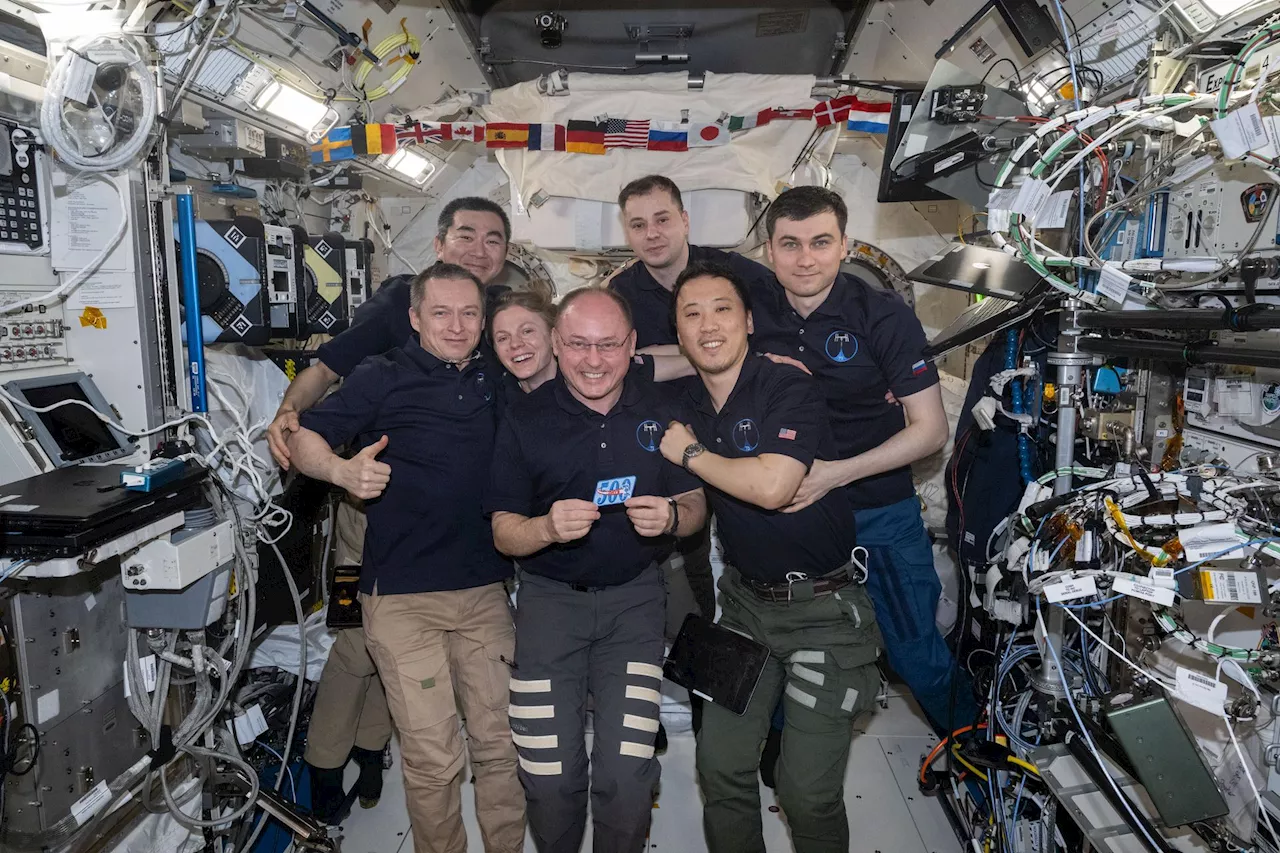
UPDATE: Three astronauts aboard the International Space Station are set to return to Earth on December 8, 2025, following a groundbreaking 245-day mission. NASA astronaut Jonny Kim and Roscosmos cosmonauts Sergey Ryzhikov and Alexey Zubritsky will undock from the ISS at 8:41 p.m. EDT, embarking on a vital journey back to Earth.
The urgency of their return is underscored as the trio engages in crucial blood research to ensure astronauts’ health during long-term stays in microgravity. Just hours before their departure, the crew practiced key operations needed to navigate the Soyuz MS-27 spacecraft safely back to Earth. They are scheduled to land in Kazakhstan at 12:04 a.m. on December 9, a swift three and a half hours after undocking.
NASA will provide live coverage of the crew’s return on various platforms, including NASA+, Amazon Prime, and the agency’s YouTube channel. This exciting moment is not just a routine return; it highlights the ongoing commitment to astronaut health in the face of the unique challenges posed by space travel.
In preparation for reentry, Ryzhikov and Zubritsky tested a groundbreaking suit designed to counteract fluid shifts caused by microgravity, potentially preventing pressure issues in the head and eyes. These advancements could significantly ease astronauts’ transition back to Earth’s gravity.
Meanwhile, NASA Flight Engineers Zena Cardman and Chris Williams performed essential health checks, utilizing an ultrasound device to scan their veins and measure blood pressure. This research is part of the long-term CIPHER investigation, aimed at understanding cardiovascular health in space.
The ISS is a hive of activity as veteran astronauts help new crew members acclimate. Mike Fincke of NASA and Kimiya Yui of JAXA provided valuable insights to Williams, who joined the ISS on November 27. This collaborative environment not only enhances mission efficiency but also fosters critical knowledge transfer among astronauts.
As Ryzhikov and Zubritsky prepare for their return, they also explored how microgravity impacts blood flow, conducting tests on their fingers and toes. This research could unveil significant insights into human health during extended spaceflight.
With these developments unfolding, attention turns to the crew’s successful landing and what their findings will mean for future missions. The return of Expedition 73 is a testament to international collaboration in space exploration, emphasizing the importance of astronaut well-being for long-duration missions.
Stay tuned for updates on the crew’s journey back to Earth and the implications of their groundbreaking research. Follow the ISS blog and social media channels for real-time developments.