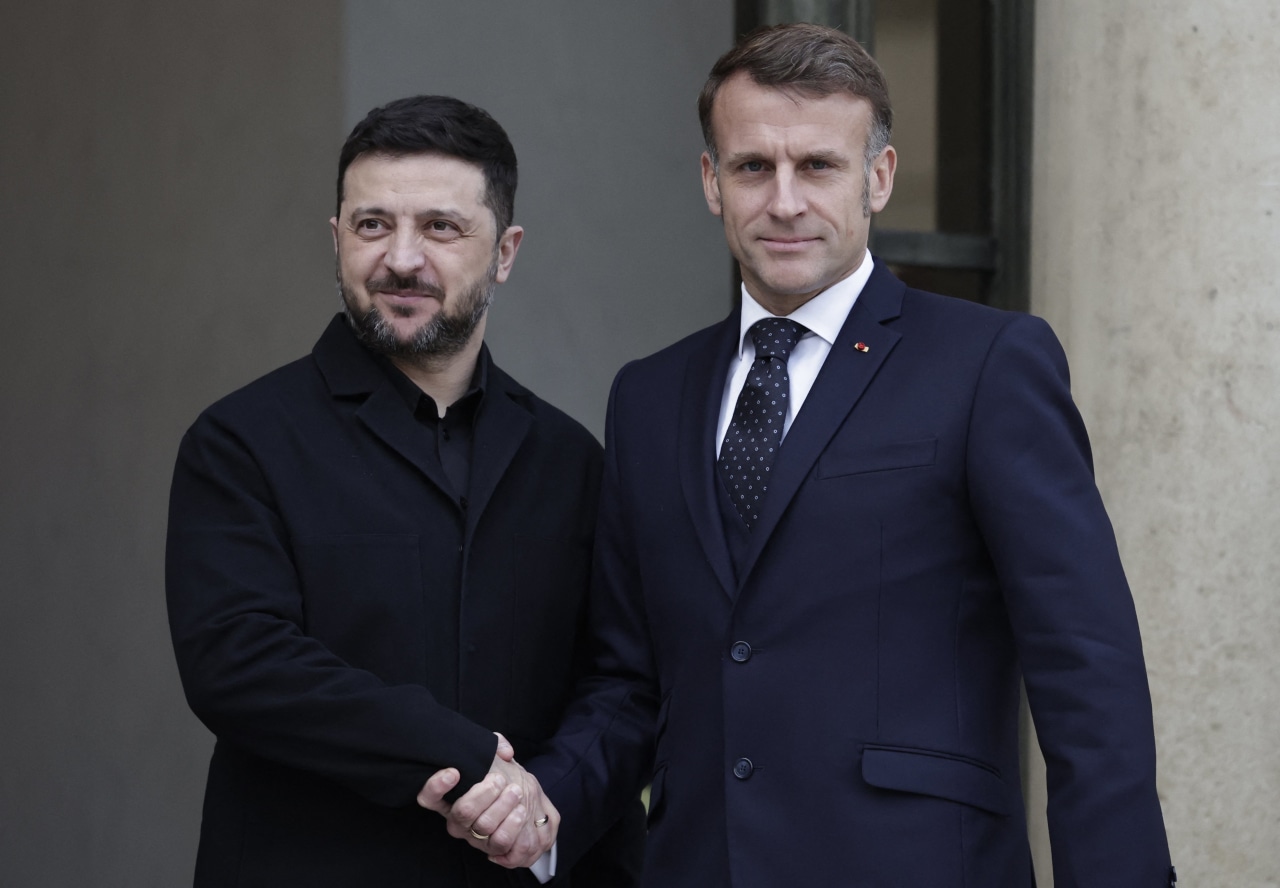
Ukrainian President Volodymyr Zelensky faces pressure from European leaders to ensure a strong commitment from the United States before making concessions to Russia regarding the ongoing conflict in Ukraine. As diplomatic discussions intensify, leaders from various European nations have expressed concerns about the implications of a rapid peace process that may overlook Ukraine’s security needs.
Zelensky’s meetings with European officials in Brussels have highlighted the necessity for a solid pledge from Washington. European leaders warn that any agreement reached without a firm U.S. commitment could weaken Ukraine’s position and embolden Russia. The urgency of these discussions comes in light of the complex geopolitical landscape, where the stakes for both Ukraine and its allies remain high.
Focus on Securing Support
During a recent summit, leaders underscored the importance of unity among NATO allies. They emphasized that Zelensky should not rush into negotiations without clear assurances of military and financial support from the U.S. This sentiment reflects a broader strategy aimed at reinforcing Ukraine’s defenses while navigating the delicate balance of diplomacy with Russia.
According to sources close to the discussions, Zelensky is expected to advocate for an enhanced military assistance package from the U.S. This package could include advanced weaponry and training, which are critical as Ukraine continues to respond to Russian aggression. The need for comprehensive support is more pressing than ever, particularly as winter approaches, further complicating the humanitarian situation on the ground.
European leaders are particularly concerned about the potential for a peace deal that does not guarantee Ukraine’s territorial integrity. They believe that any concessions made to Russia should be contingent on a robust framework that ensures Ukraine’s sovereignty and security. This perspective is echoed by NATO Secretary General Jens Stoltenberg, who stated, “A hasty peace that sacrifices Ukrainian territory would not bring lasting stability to the region.”
Implications for Future Negotiations
The discussions in Brussels are critical as they come on the heels of a tense backdrop marked by fluctuating battlefield dynamics. Ukraine has experienced both gains and losses in the conflict, making the need for a strategic approach to negotiations paramount. Zelensky’s ability to secure a strong U.S. commitment could significantly influence the direction of future peace talks.
European leaders have reiterated their unwavering support for Ukraine, but they stress that this support must translate into concrete action from the U.S. The implications of these negotiations extend beyond Ukraine, with potential repercussions for NATO’s collective security strategy and the broader European geopolitical landscape.
As Zelensky prepares for further talks with U.S. officials, the stakes continue to rise. The upcoming discussions will not only determine Ukraine’s immediate future but could also shape the long-term relationship between the West and Russia. In this complex scenario, the emphasis remains on ensuring that Ukraine does not compromise its security in the pursuit of peace.