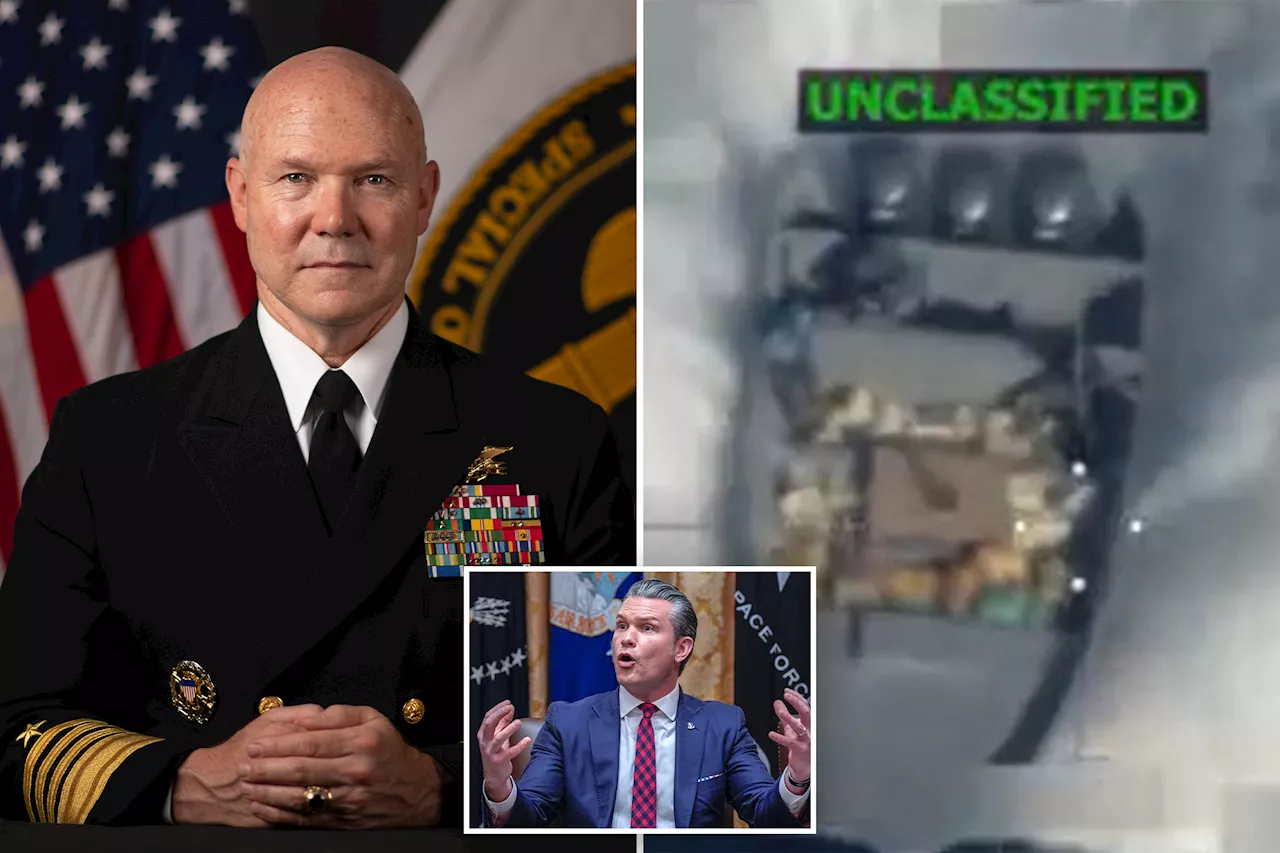
UPDATE: Admiral Frank Bradley is set to brief House and Senate lawmakers today about the highly controversial strikes on September 2nd in the Caribbean Sea, which led to the deaths of 11 people. This urgent briefing follows intense scrutiny over the military operation, particularly regarding the treatment of survivors and adherence to the rules of engagement.
The President has voiced support for releasing surveillance footage from the incident, which could significantly impact public understanding of the events. The White House also hinted at the possibility of further military actions against drug traffickers, emphasizing the administration’s aggressive stance on combating narcotics.
Admiral Bradley, head of US Special Operations Command, ordered both the initial missile strike and subsequent attacks. He is expected to clarify his decision-making process, especially concerning the status of survivors. Reports indicate that initial assessments did not identify any survivors, complicating the Admiral’s critical decision on whether to treat them as combatants or civilians.
The backdrop of this operation involves a broader military strategy targeting drug trafficking in the region. Since the September strikes, the US military has executed over 21 operations against suspected drug smugglers, resulting in more than 80 fatalities. Lawmakers are eager to understand the implications of these operations and their alignment with the laws of war.
The House and Senate Armed Services Committees are conducting investigations to determine the legality and justification of the actions taken during this military operation. The complexities of the rules of engagement and the ethical dilemmas faced by military commanders are at the forefront of these inquiries.
As the briefing approaches, public and media attention intensifies. Reports from outlets like the Washington Post and the New York Times highlight the need for accountability and transparency in military operations. The findings from these investigations could reshape military procedures and inform future engagements, particularly concerning the treatment of non-state actors in conflict zones.
The implications of Admiral Bradley’s briefing extend beyond military strategy, touching on the administration’s commitment to tackling the drug crisis and its legal ramifications. This incident raises critical questions about the use of force, the protection of civilians, and the responsibilities of military commanders in similar operations.
As developments unfold, the focus remains on ensuring accountability and upholding the principles of justice and human rights in military engagements. Stay tuned for updates as this story continues to evolve.