U.S. President Donald Trump is set to host the leaders of Congo and Rwanda on March 15, 2024, to sign a historic agreement aimed at resolving the ongoing conflict in eastern Congo. The deal, referred to as the Washington Accords for Peace and Prosperity, involves Felix Tshisekedi, President of Congo, and Paul Kagame, President of Rwanda. This agreement, praised by the White House, follows months of diplomatic efforts that included involvement from the African Union and Qatar.
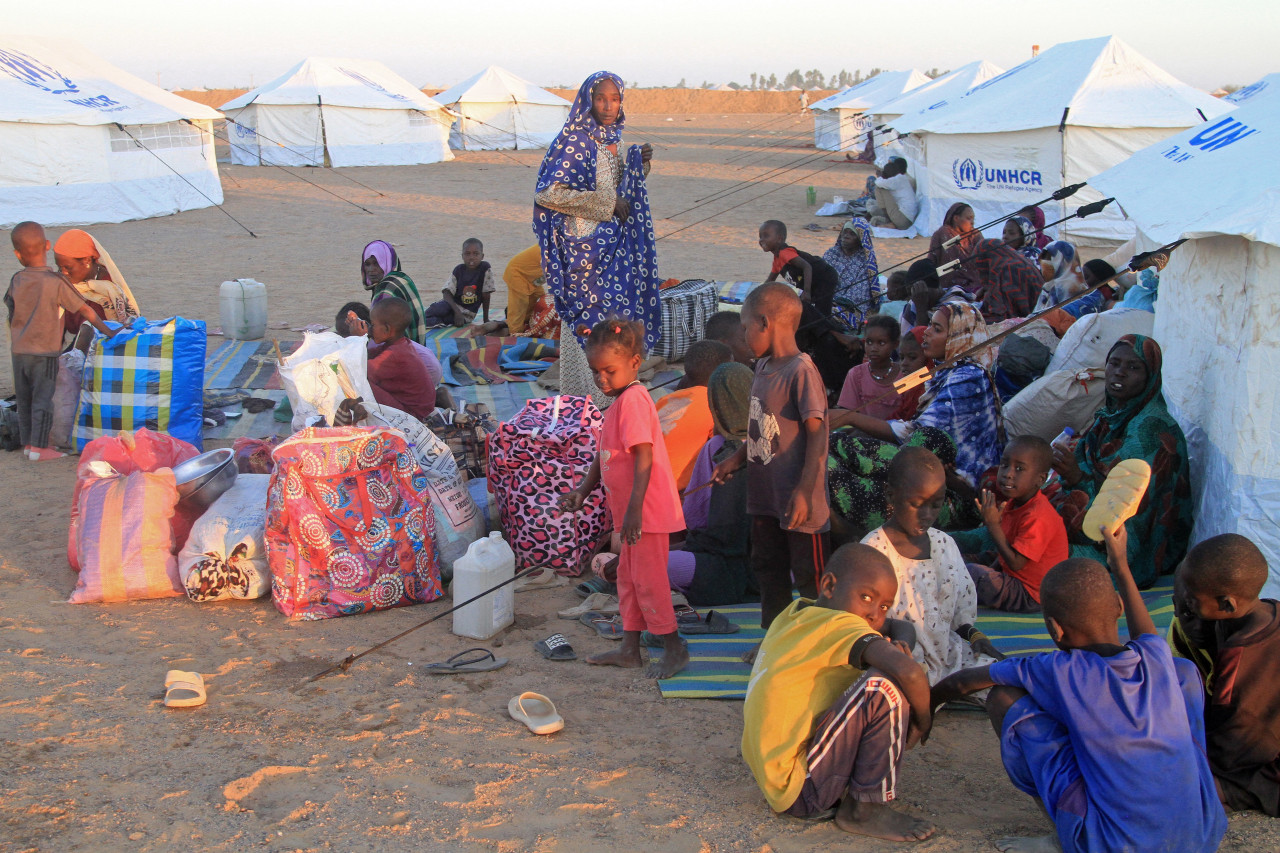
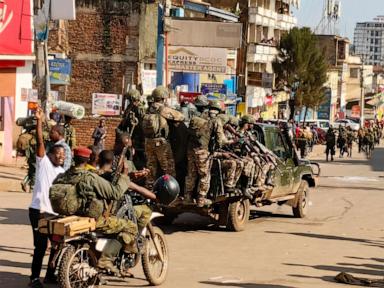
The conflict in eastern Congo has persisted for decades, exacerbated by the presence of over 100 armed groups. The most prominent among these is the M23 rebel group, which has received backing from Rwanda. This year has seen a significant escalation in violence, with M23 seizing key cities like Goma and Bukavu, further worsening an already dire humanitarian situation that has displaced millions.
Despite the optimism surrounding the signing, analysts caution that immediate peace may not follow. Many Congolese citizens express skepticism about the effectiveness of the agreement. “We are still at war,” stated Amani Chibalonza Edith, a resident of Goma. “There can be no peace as long as the front lines remain active.” The recent clashes between M23 and Congolese forces highlight the fragility of the situation, with both sides accusing each other of ceasefire violations.
Economic Implications of the Peace Deal
The Washington Accords also aim to establish a framework for economic partnerships among the three nations, focusing on critical minerals essential for various industries. The Trump administration is keen on securing access to these resources, particularly as they seek alternatives to China, which currently dominates the global rare earth minerals market. Reports indicate that China controls nearly 70% of the world’s rare earth mining and approximately 90% of its processing capabilities.
As part of the upcoming discussions, Trump is expected to meet separately with both Tshisekedi and Kagame before the trilateral talks. The U.S. Chamber of Commerce will also host an event for American business leaders to explore investment opportunities in critical minerals, energy, and tourism, according to Yolande Makolo, a senior adviser to Kagame.
In the meantime, the humanitarian crisis continues to deepen. In Goma, the local international airport remains closed, and essential services are yet to resume, leading to a surge in crime and rising prices. “We are waiting to see what will happen because so far, both sides continue to clash,” expressed Moise Bauma, a student in Bukavu.
Historical Context and Future Prospects
The roots of the current conflict can be traced back to the aftermath of the 1994 genocide in Rwanda, which saw Hutu militias kill between 500,000 and 1 million ethnic Tutsi. The ensuing turmoil led to a massive refugee crisis, with nearly 2 million Hutus crossing into Congo. Rwanda has accused these refugees of harboring genocidal intentions, while Congo insists that lasting peace cannot be achieved without Rwanda withdrawing support for the M23.
As the signing approaches, both leaders have emphasized the importance of U.S. involvement in the peace process. Makolo highlighted the need for continued attention from the administration to move toward stability. “We are under no illusion that this is going to be easy. This is not the end but it’s a good step,” she stated.
While hopes are high for the peace agreement, the reality on the ground suggests that the path to lasting stability in eastern Congo remains fraught with challenges. As discussions continue, the international community watches closely to see if the Washington Accords will indeed pave the way for a brighter future.