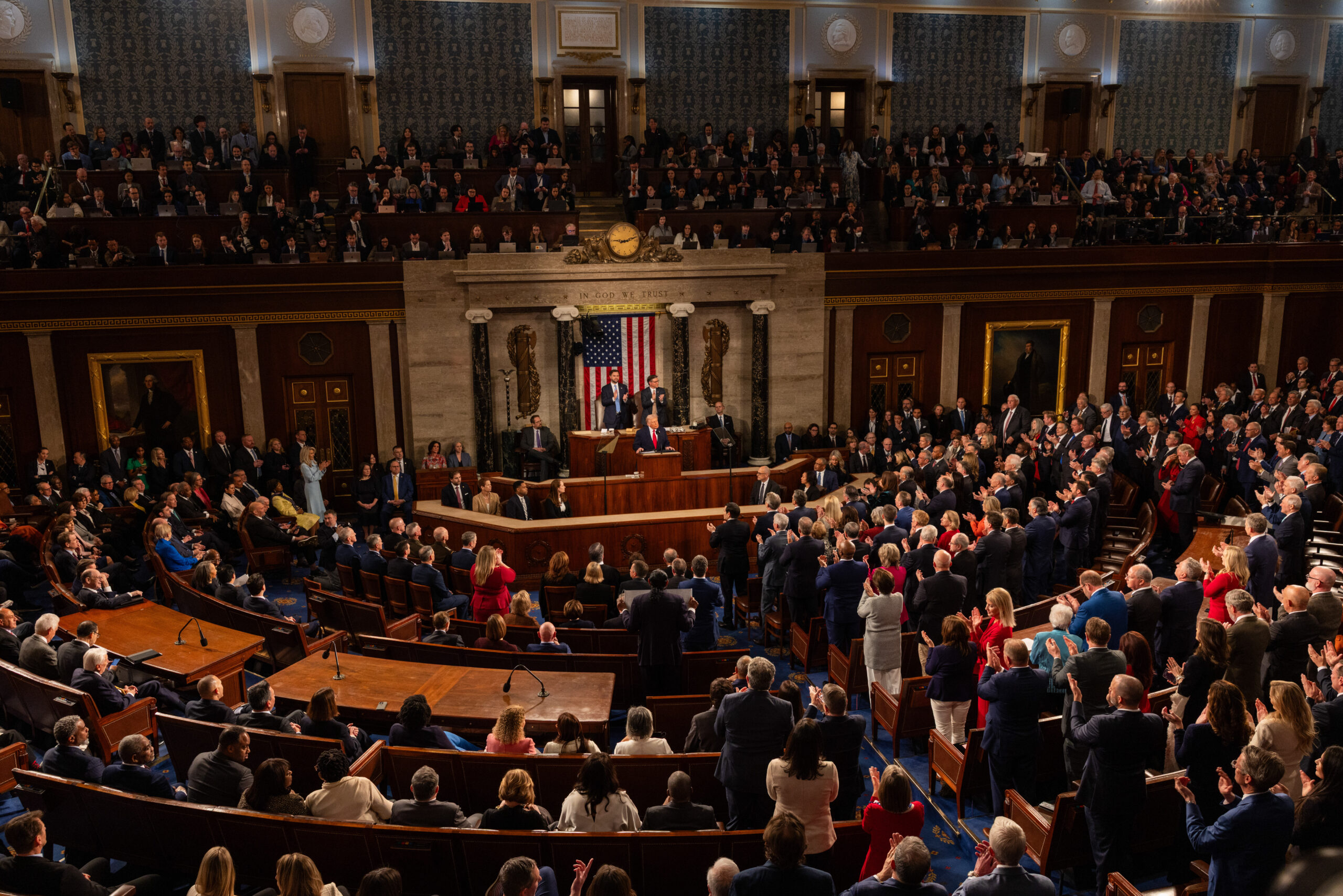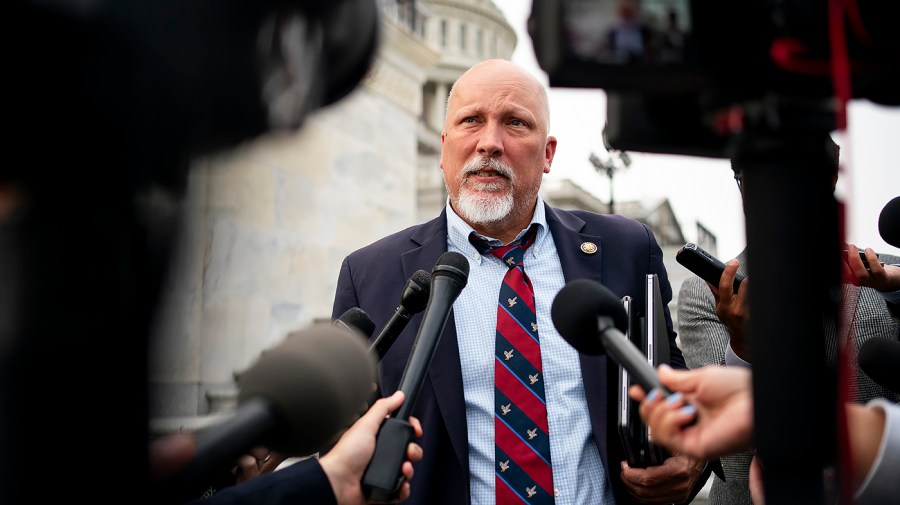
The House of Representatives has cancelled a scheduled vote on the SCORE Act, a bill aimed at regulating the compensation that college athletes earn from their name, image, and likeness (NIL). The decision, made on February 14, 2024, came after significant opposition from a faction of hard-line conservatives within the Republican Party. This unexpected move casts doubt on whether Speaker Mike Johnson from Louisiana could have secured enough support for the legislation.
The SCORE Act was designed to establish a framework for how college athletes can profit from their NIL rights. This legislation has gained traction as more states have introduced their own laws allowing athletes to monetize their likenesses. Proponents argue that it is essential for creating a fair and regulated environment for student-athletes.
Despite its potential benefits, the bill faced hurdles from within the GOP. Some conservative members expressed concerns about the implications of such regulations, fearing it could undermine amateurism in college sports. Their resistance highlights the broader ideological divide within the party regarding the commercialization of college athletics.
As discussions continue, key stakeholders in the sports community are watching closely. The outcome of this legislation could have significant implications for the future of college athletics. If passed, the SCORE Act would provide a unified approach to NIL regulations across the country, potentially transforming how college sports operate.
The cancellation of the vote reflects the complexities of navigating partisan politics in Washington, D.C. As the House leadership reassesses its strategy, the fate of the SCORE Act remains uncertain. Advocates for the bill are expected to continue their efforts to garner bipartisan support and address the concerns raised by opponents.
While the future of the SCORE Act is unclear, the ongoing debate underscores the shifting landscape of college athletics and the importance of establishing fair compensation practices for student-athletes. The outcome of this legislative battle will likely resonate throughout the sports world, influencing not just college athletes but also the institutions that host them.