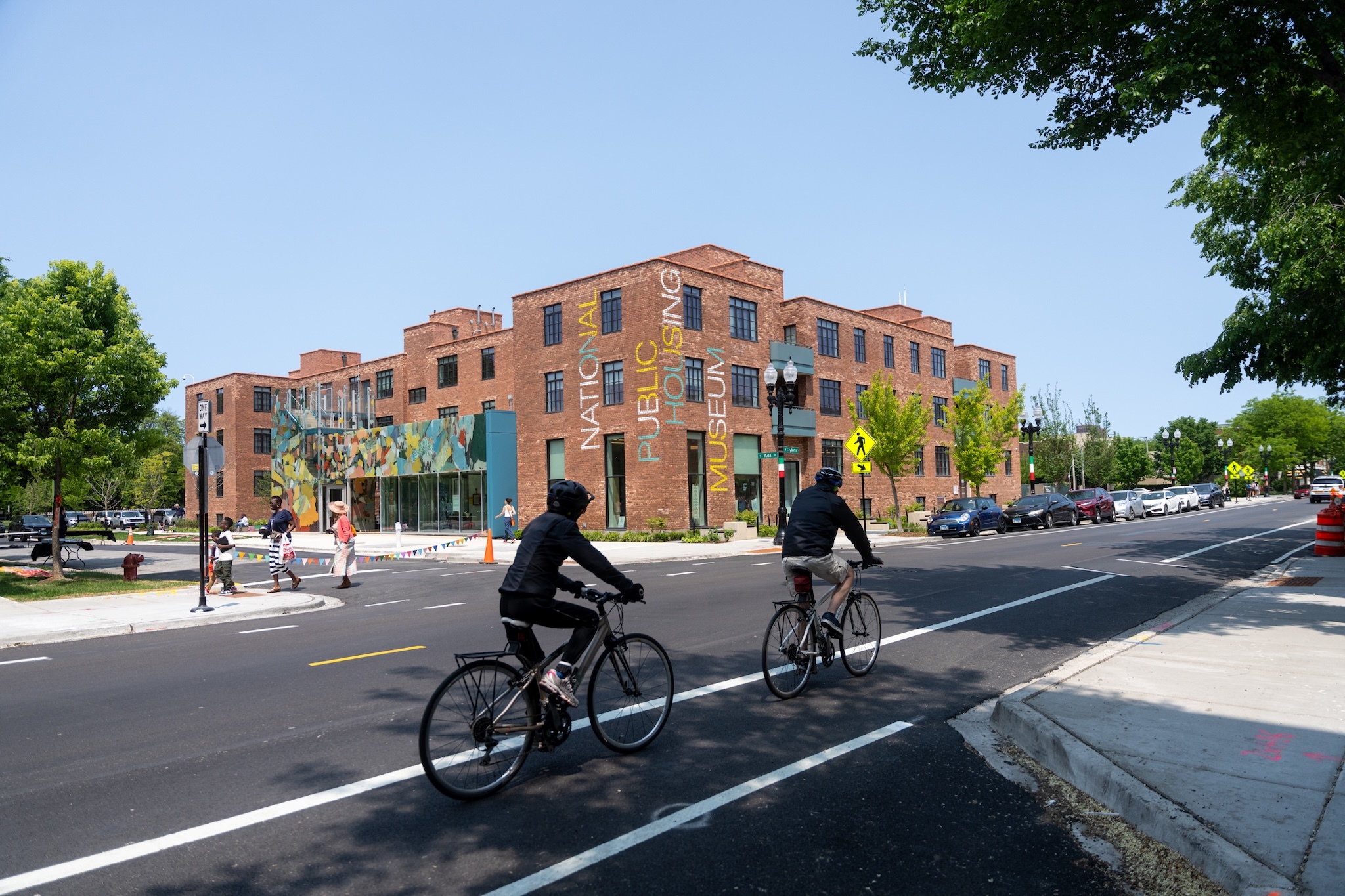
Madison County Recovery Allies (MCRA) has moved to a new, larger location, the Recovery Community Center, in March 2025, following a year of significant growth. This transition from a smaller facility on East Main has allowed MCRA to enhance its support services for individuals facing substance use and behavioral health disorders. The new center, a former church, offers expanded facilities, including recreational areas for social activities and recovery programs.
The Recovery Community Center, ten times the size of MCRA’s previous location, was made possible through the generosity of an anonymous donor, according to MCRA Director Karen Moser. The center is designed not just as an office but as a welcoming space for individuals in recovery. It features a recreation room equipped with games, snacks, and resources for group activities such as Tai Chi and board games.
In its first year at the new center, MCRA has already provided assistance to approximately 150 individuals. They have received additional funding from the state’s opioid task force to further enhance their services. Moser noted that while she would ideally like to see MCRA’s services become unnecessary, the increasing demand indicates a growing recognition of the need for recovery support.
MCRA’s programs are largely peer-led, with many staff members having undergone recovery themselves. This model allows them to connect deeply with clients, offering understanding and guidance based on personal experiences. Clients also participate actively by volunteering, helping to create a supportive community atmosphere.
The center not only serves as a hub for recovery resources but also engages in community service. Clients have contributed to local projects, including beautifying public spaces and assisting with events, reflecting their commitment to giving back. Moser highlighted the importance of these initiatives, stating, “We are so grateful to Jennifer Ballew for making that opportunity and connection.”
As of now, the majority of MCRA’s clients are not housed within their facilities but are actively seeking support through various channels. The organization connects individuals to essential resources, including food assistance, employment opportunities, and legal consultations. A significant challenge remains the need for reliable transportation services in the community.
Founded in 2022, MCRA began with three staff members and has now expanded to eight, with plans for further growth. The organization has started outreach efforts beyond Madison County to neighboring areas such as Iron, Bollinger, and St. Francois counties, which currently lack similar recovery housing options. Moser emphasizes that MCRA supports all paths to recovery and has been recognized as an “evidence-based recovery” program by the Department of Mental Health.
Moser believes that the increased demand for recovery services does not indicate a worsening crisis but rather a positive shift as more individuals seek help. She stated, “People are asking for a way out. They’re asking for help, they’re asking for connection.” This growing momentum among those in recovery is beginning to influence others in the community.
The Recovery Community Center stands as a beacon of hope and support for those on their path to recovery, offering a space where individuals can come together, share experiences, and work towards a healthier future.