Republican Party officials are expressing serious concerns that Democrats may make significant gains in traditionally Republican states. This unease stems from lower-than-expected polling figures for the GOP and reports of candidates not taking their races seriously. A special election on March 5, 2024, in Tennessee’s 7th Congressional District could serve as a crucial indicator for the upcoming 2026 midterm elections.
Democratic House Minority Leader Hakeem Jeffries highlighted the party’s unexpected strength in regions that previously supported former President Donald Trump. In a statement to NOTUS, he noted, “Democrats have been over-performing the 2024 Trump numbers since the very beginning of his presidency, starting in late January in Iowa, where we flipped a district that Donald Trump had just won.” This assertion reflects a broader trend that could influence voter sentiment in the coming months.
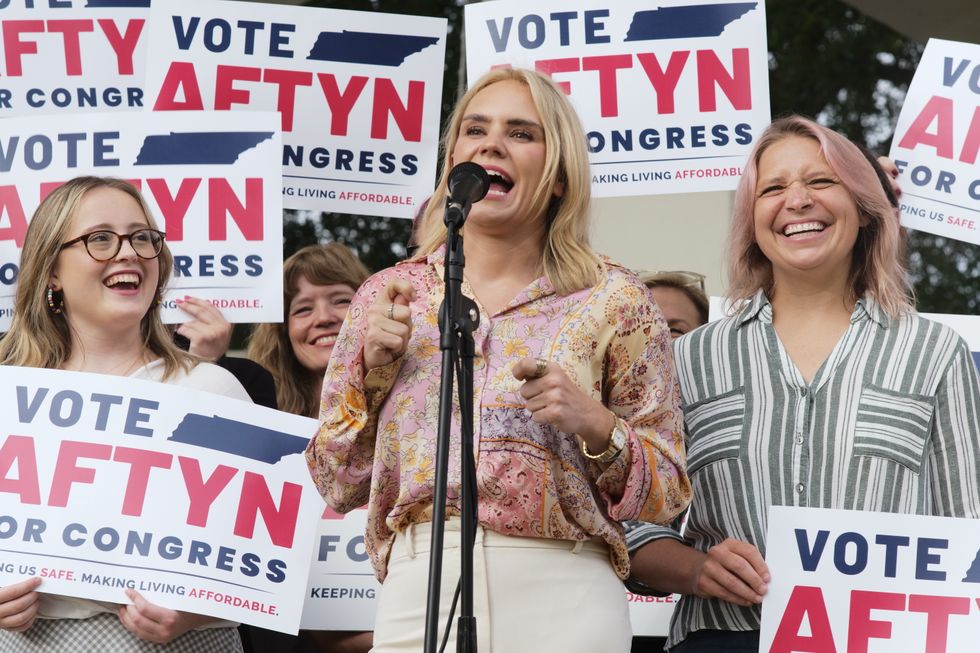
In Tennessee, while Republican candidate Matt Van Epps is projected to win the state representative seat, Democratic candidate Aftyn Behn is reportedly performing better than GOP insiders anticipated. In some other races, the Republican Party has lagged significantly behind, raising alarms within its ranks.
A strategist involved in Republican Andy Ogles‘ campaign indicated that the financial disparity between Ogles and his Democratic opponent is becoming increasingly problematic. The strategist, speaking anonymously, remarked, “I mean, he’s raising like no money. You can’t just lie around and do nothing. That’s how you lose any race — primary or general.” This sentiment has been echoed by other GOP strategists, who express a “very serious concern” regarding Ogles’ campaign management.
The chair of the National Republican Congressional Committee, Rep. Richard Hudson, supported the anonymous strategist’s assessment. He emphasized that a campaign’s strength is closely tied to its financial resources, stating, “But obviously, the more money you have in your campaign account, the stronger you are, the more opportunity you have to communicate with the voters. You might have raised a red flag for me.”
Democratic Governor Andy Beshear of Kentucky suggests that a shift of Trump voters to the Democratic side may become evident in the midterms, attributing this change to what he describes as the president’s “betrayal” of his supporters. Beshear commented, “So when you look at that flip of Trump voters, it’s both that our candidates were more focused on where people are right now — I’m trying to make their lives a little bit easier and a little bit better — and Donald Trump has betrayed them with the way he’s governed this last year.”
As the political landscape evolves, both parties are closely monitoring these developments, recognizing that the outcomes of upcoming elections could reshape the electoral map in unexpected ways. With the midterm elections approaching, the Republican Party faces increasing pressure to address these challenges and solidify its support among voters.