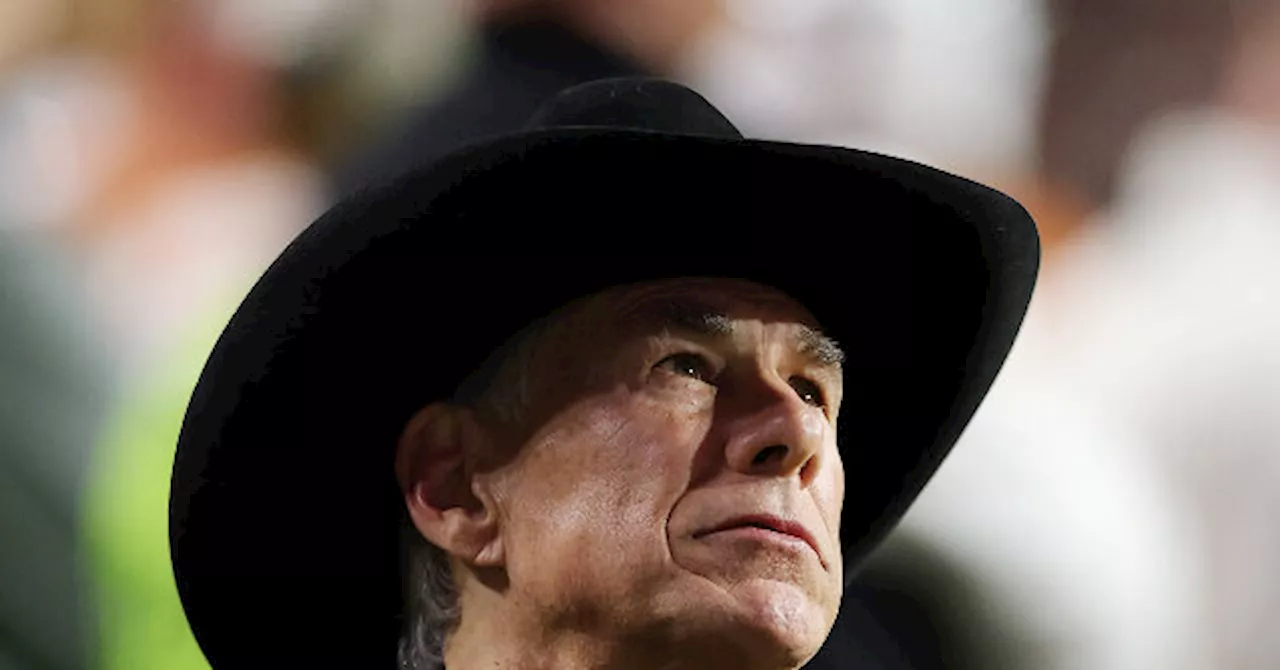
BREAKING: Texas Governor Greg Abbott has officially designated the Council on American-Islamic Relations (CAIR) as a terrorist organization, igniting intense backlash and a legal battle. This controversial announcement, made in November, has raised urgent concerns about free speech and religious freedom across the state.
The proclamation, which also identifies the Muslim Brotherhood as a foreign terrorist group, claims both organizations aim to impose Sharia law and promote a global Islamic agenda. Abbott characterized their actions as a threat to national security, accusing them of supporting terrorism through intimidation and violence. “Radical extremists are not welcome in Texas,” he stated.
In response, CAIR has filed a lawsuit against Abbott and Texas Attorney General Ken Paxton, arguing that the designation is politically motivated and infringes on First Amendment rights. CAIR’s leadership condemned the decision, labeling Abbott an “Israel First politician” and asserting their commitment to advocacy despite what they describe as smear campaigns against them.
The backlash has been swift and widespread. At a recent press conference, Mustafaa Carroll, executive director of CAIR’s Dallas Fort Worth chapter, accused Abbott of penalizing the largest Muslim civil rights organization simply for exercising its rights to criticize a foreign government. The designation has alarmed many, raising fears of potential discrimination and violence against Texas’s Muslim community.
Organizations like Jewish Voice for Peace have expressed solidarity with CAIR, asserting that Abbott’s proclamation is both false and unconstitutional. The chilling effect of such a designation could severely limit the ability of American Muslims to engage in political discourse and advocacy, critics warn.
Abbott’s office clarified that the proclamation enhances law enforcement’s power against CAIR and its affiliates, restricting their ability to acquire land in Texas. This has sparked further discussions about the implications for religious freedom and property rights in the state.
As the legal wrangling unfolds, this incident highlights the complex interplay between national security, civil liberties, and religious freedom, adding fuel to ongoing debates nationwide. The political landscape in Texas is charged, with potential long-term effects on the relationship between state authorities and the Muslim community.
The situation continues to develop, and observers are closely watching how it will affect not only local politics but also the broader discourse on civil rights and security in America. The reactions from various community leaders and organizations will be pivotal in shaping the future narrative surrounding this controversial designation.
Stay tuned for more updates on this urgent and evolving story.