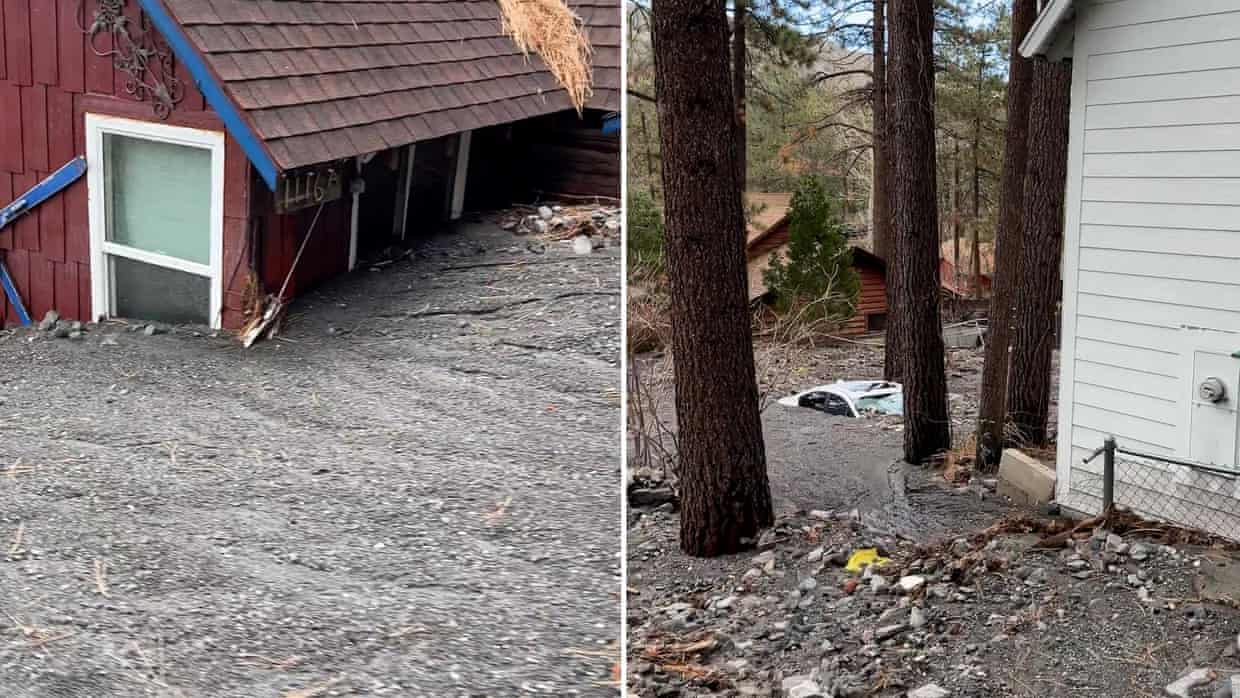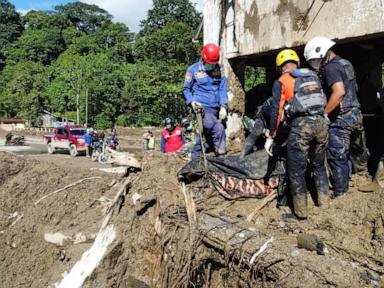
Efforts to recover from severe flooding across Southeast Asia are ramping up as governments address the urgent needs of affected communities. Last week’s catastrophic floods and landslides have resulted in more than 1,000 fatalities across Indonesia, Sri Lanka, and Thailand, with hundreds more reported missing.
In Indonesia, President Prabowo Subianto visited flood-impacted areas on Sumatra island on March 4, 2024, assuring survivors that assistance is on the way. The Indonesian government has confirmed at least 502 deaths and 508 individuals still unaccounted for. The National Disaster Management Agency reported that flooding has displaced approximately 290,700 people across North Sumatra, West Sumatra, and Aceh provinces.
During his visit, President Prabowo emphasized the government’s commitment to rebuilding infrastructure and providing essential support. He stated, “We need to confront climate change effectively. Local governments must take a significant role in safeguarding the environment and preparing for the extreme weather conditions that will arise from future climate change.”
Search and Rescue Operations Continue in Sri Lanka
In Sri Lanka, authorities are still grappling with the aftermath of intense rainfall that led to widespread devastation. As of March 4, rescuers are actively searching for 370 missing individuals. Nearly 148,000 people have sought refuge in temporary shelters after relentless downpours flooded homes, fields, and roads, particularly in the central hill country, a region known for its tea plantations.
The Sri Lankan government is mobilizing resources to support those impacted, with a focus on providing shelter and essential supplies to displaced families.
Thailand’s Flood Recovery Plans Unveiled
In Thailand, Prime Minister Anutin Charnvirakul announced recovery and compensation initiatives for the southern provinces, where severe flooding has affected over 1.4 million households and approximately 3.8 million people. The Department of Disaster Prevention and Mitigation reported significant disruptions across 12 provinces due to the flooding.
The Thai government is working to restore affected infrastructure while ensuring that relief efforts are effectively reaching those in need. As the recovery continues, authorities highlight the importance of long-term strategies to mitigate future flooding risks.
As recovery efforts unfold, the focus remains on providing immediate relief to those who have suffered the most. The scale of this disaster underscores the pressing need for resilient infrastructure and proactive measures to address the impacts of climate change across the region.