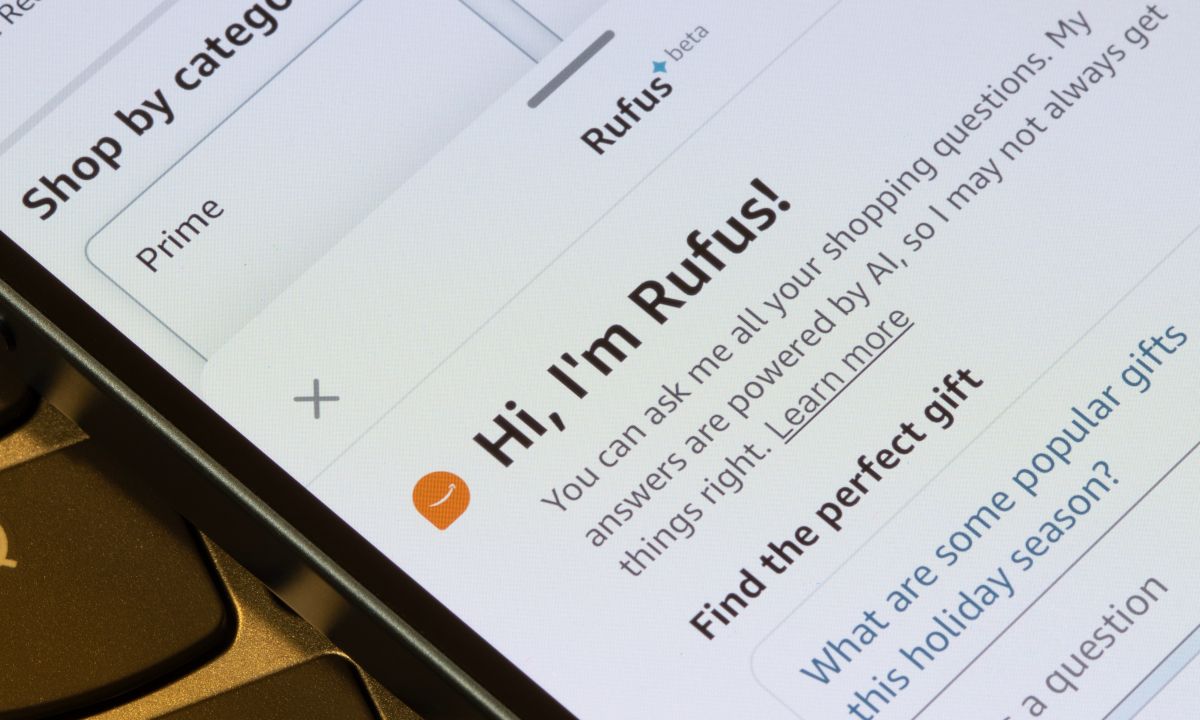
Shoppers spent a remarkable $11.8 billion online this Black Friday, marking a 9% increase from the previous year. This surge in spending has been significantly influenced by the rise of artificial intelligence (AI) shopping tools. According to data from Adobe Analytics, AI-driven traffic to U.S. retail sites increased by a staggering 805% compared to last year, coinciding with the introduction of AI shopping assistants such as Walmart’s Sparky and Amazon’s Rufus.
As the holiday shopping season commenced, consumers turned to these innovative tools to simplify their shopping experience. “Consumers are using new tools to get to what they need faster,” said Suzy Davidkhanian, an analyst at eMarketer. She highlighted that the use of large language models (LLMs) has made the gift discovery process feel quicker and more guided, particularly during what can often be a stressful time for shoppers.
Consumer Spending Trends and Retail Forecasts
The National Retail Federation anticipates that total holiday spending during November and December will exceed $1 trillion, with a year-over-year growth ranging from 3.7% to 4.2%. While this forecast may seem optimistic, the current economic climate presents challenges. Research from PYMNTS indicates that as of September, 26% of consumers reported difficulties in paying their bills, the highest level in at least two years.
Recent earnings reports from Walmart reveal that consumers are increasingly seeking value, leading to a notable shift towards digital shopping channels. As the retail landscape grapples with uncertainties, including fluctuating consumer confidence and ongoing supply chain issues, industry leaders like Walmart and Amazon are adapting their strategies to focus on creating their own certainty in a volatile market.
AI’s Role in Shaping the Holiday Shopping Experience
In a related analysis, PYMNTS utilized OpenAI’s ChatGPT to forecast the holiday shopping landscape. The results suggest that online channels will capture the largest share of holiday spending, supported by AI-driven search capabilities, retailer chat assistants, and personalized offers designed to enhance product discovery.
Despite the growing reliance on digital shopping, consumers are expected to visit physical stores for specific needs, such as trying on apparel, testing electronics, and making last-minute purchases. This behavior reflects a broader trend identified by PYMNTS, where shoppers often browse online but prefer to complete transactions in-store to ensure satisfaction and confirmation of their purchases.
As the holiday season progresses, the integration of AI tools into the shopping experience appears set to play a pivotal role in shaping consumer behavior and driving sales, underscoring the ongoing evolution of retail in the age of technology.